

Fifth semifinal day – afternoon
programme
Anton Kraft - Concerto in C op. 4
Orchestre Royal de Chambre de Wallonie, dir. Vahan Mardirossian
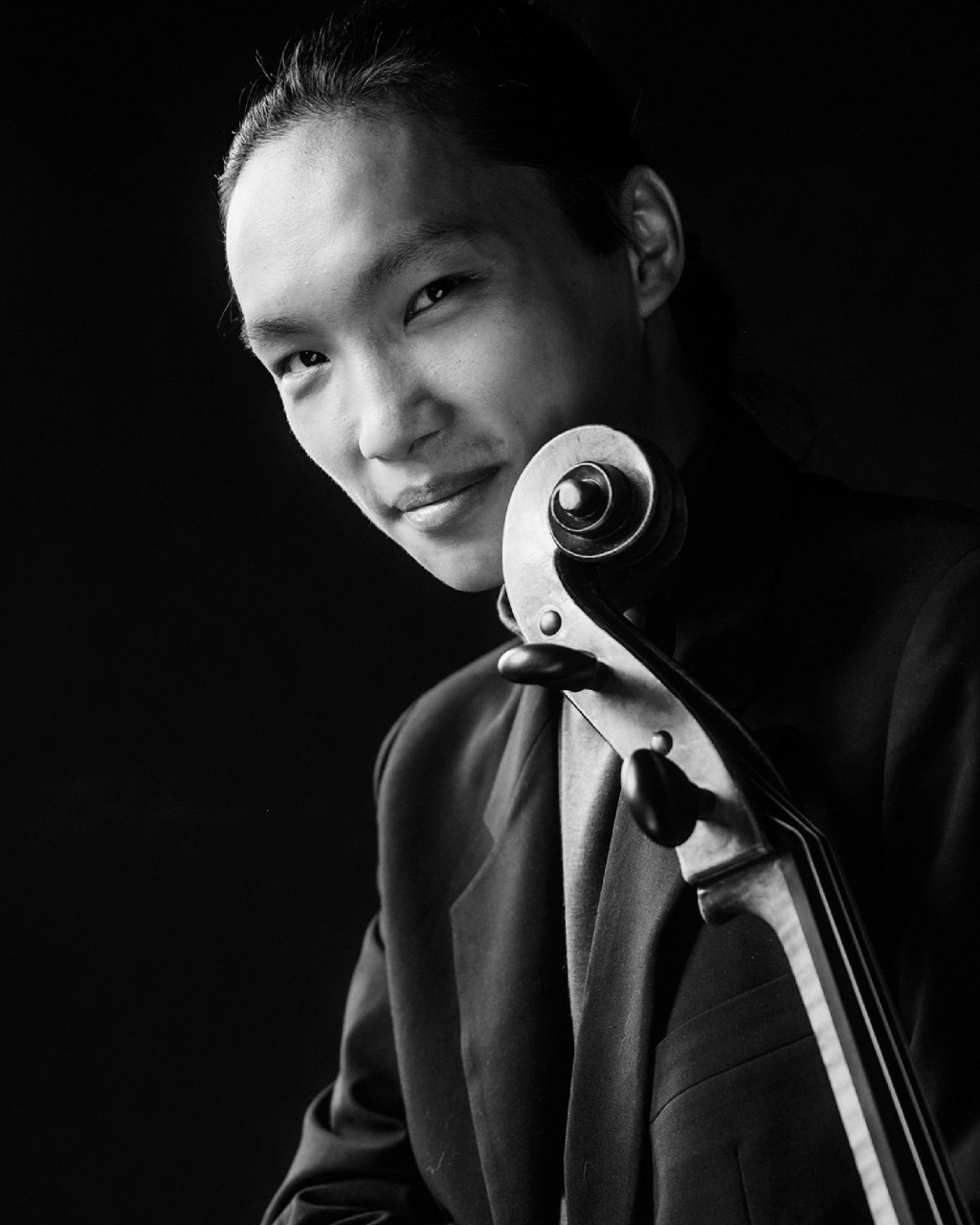
Technically flawless, Leland Ko presents Kraft's concerto in a slightly faster tempo and imposes this on the experienced orchestra, which immediately adapts and follows. The cellist, whose detachment and idiosyncrasy had struck me since the recital, radiates abstraction, independence and the ability to bring innovation to cello playing.
Michael Wehrmeyer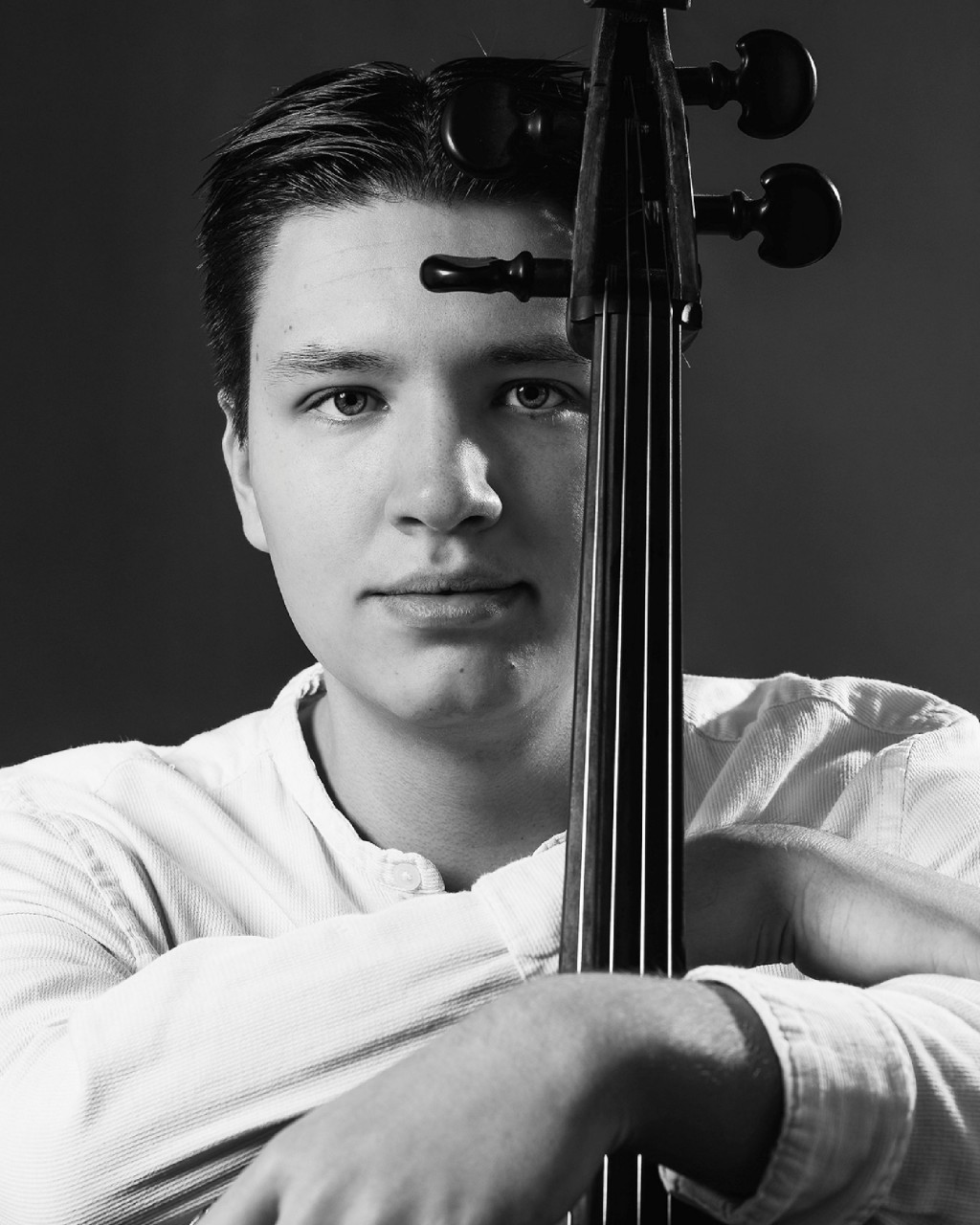
programme
Michael Haydn - Concerto in B flat
Orchestre Royal de Chambre de Wallonie, dir. Vahan Mardirossian
A cellist who appeared very relaxed and at ease playing this Michael Haydn concerto, which places great demands especially in the high register, where he managed to produce a very expressive cello sound. Wehrmeyer's soft and flowing passages in the left hand contribute to both technical precision and artistic quality. He must undoubtedly have invested considerable time in it, which was evident in a confidence and reliability that also came across to the audience.
programme
Harold Noben - Caffeine
Alfred Schnitke - Sonata No. 1 op. 129
Bohuslav Martinu - Variations on a Theme by Rossini H 290
Naoko Sonoda, piano accompanist
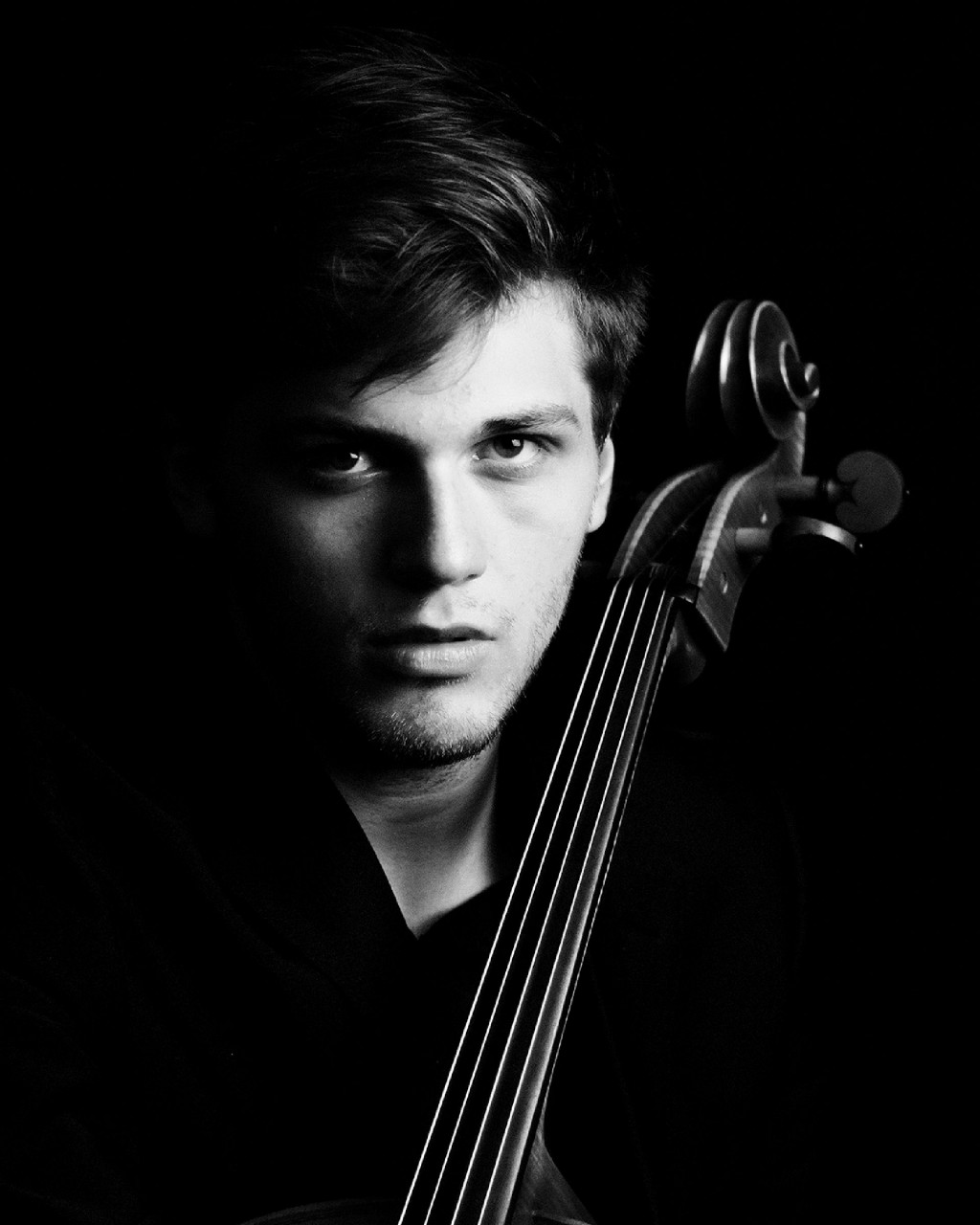
A programme choice from the 20th and 21st centuries in which the enormous pressure on the cellist hardly ever diminishes. An approach that presents the contemporary as history, as if a retrospective were already possible. High concentration and intensity in this recital, which demonstrates great professional dedication on Ettore Pagano's part. He and the accompanying pianist have done everything they could to be successful.
Theresa Laun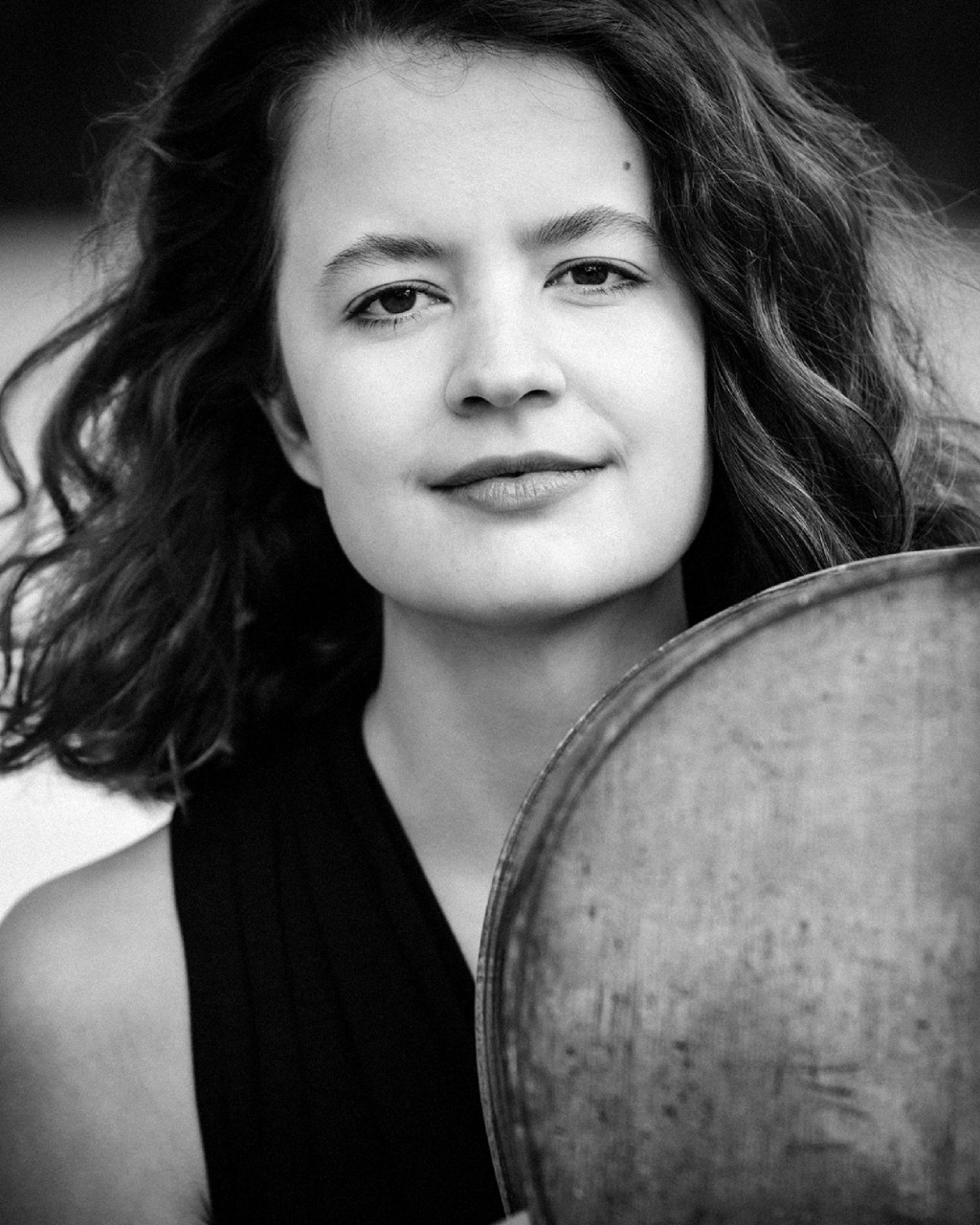
programme
César Frank - Sonata in A FWV 8
Harold Noben - Caffeine
Dina Ivanova, piano accompanist
Theresa Laun plays this emotionally rich sonata in an astonishingly harmonious way on her cello, transposing the music and giving her inner voice to the instrument. She captivates the listener with her interpretation of the versatile tonal colours, full of artistic expressivity. Against all expectations, her interpretation of Caffeine manages to let a soft cello sound prevail over the challenges of the piece, which speaks of a paradoxical, self-undermining modernity.