

Sixth semi-final day – afternoon
 Arne Jesper Zeller
programme
Anton Kraft – Concerto in C op. 4
Orchestre Royal de Chambre de Wallonie, dir. Vahan Mardirossian
Zeller excels in artistic expression, control, balance, fluency and precision of left-hand technique, consistency in his bow movements and the ability to musically interpret the ideas and 'mathematics' that the composer has embedded in the score. The cellist makes optimal use of the fact that this classical concerto originated precisely in his own cultural space and context, which enables him all the better to radiate eloquent, elegant beauty through balance, symmetry and stability.
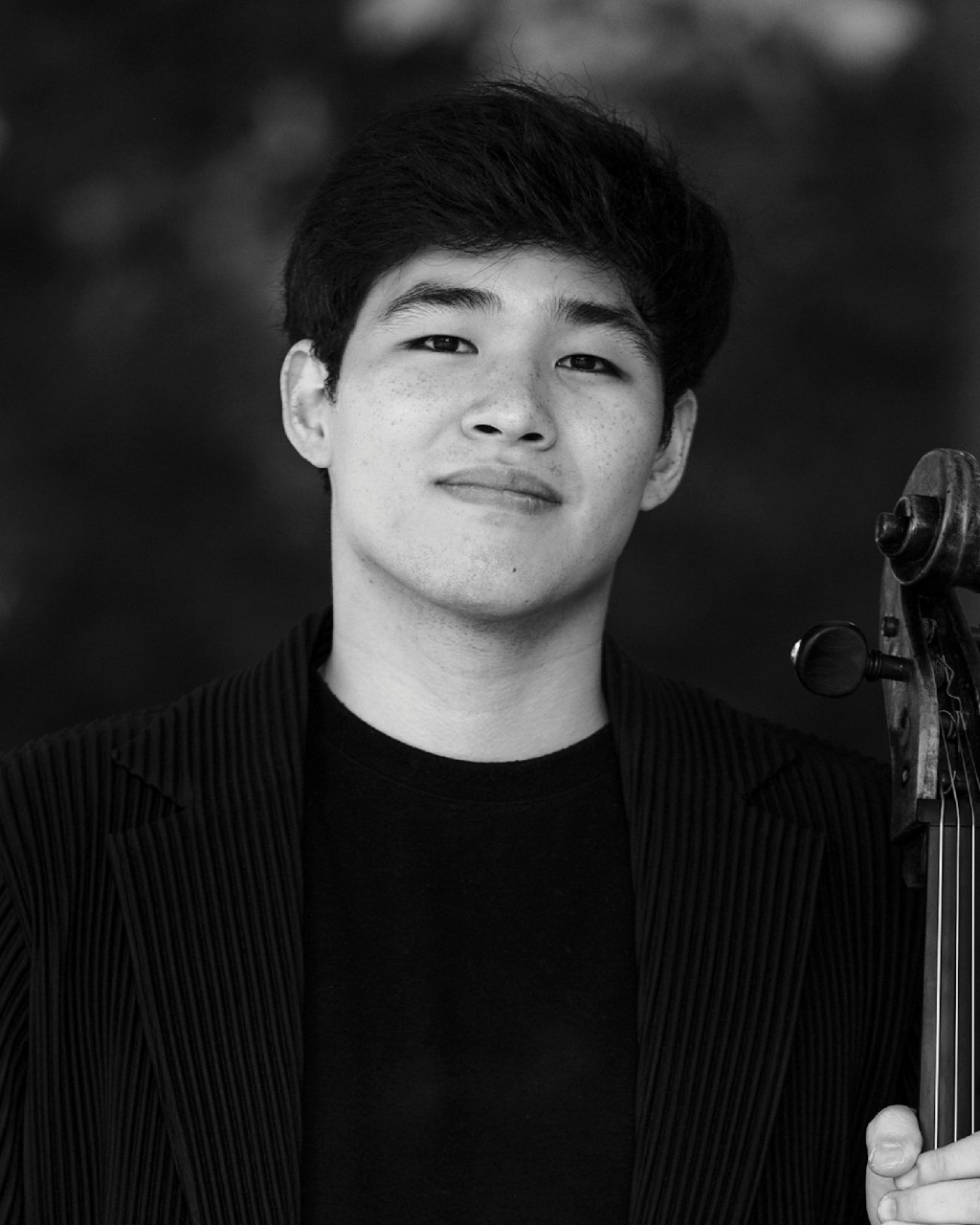
Andrew Ilhoon Byun
programme
Leopold Hofmann – Concerto in D Badley D3
Orchestre Royal de Chambre de Wallonie, dir. Vahan Mardirossian
With his interpretation of the Hofmann concerto, in which the cello soloist is abundantly given the opportunity to display his expressivity, Andrew Ilhoon Byun amply proves his place in the advanced round of the competition. By combining sound quality and technical excellence, which is particularly evident in the high registers, he indirectly reveals his top level of training and experience and consistently confirms the reasons for recognition of the merit of his training and performance.
Clara Dietlin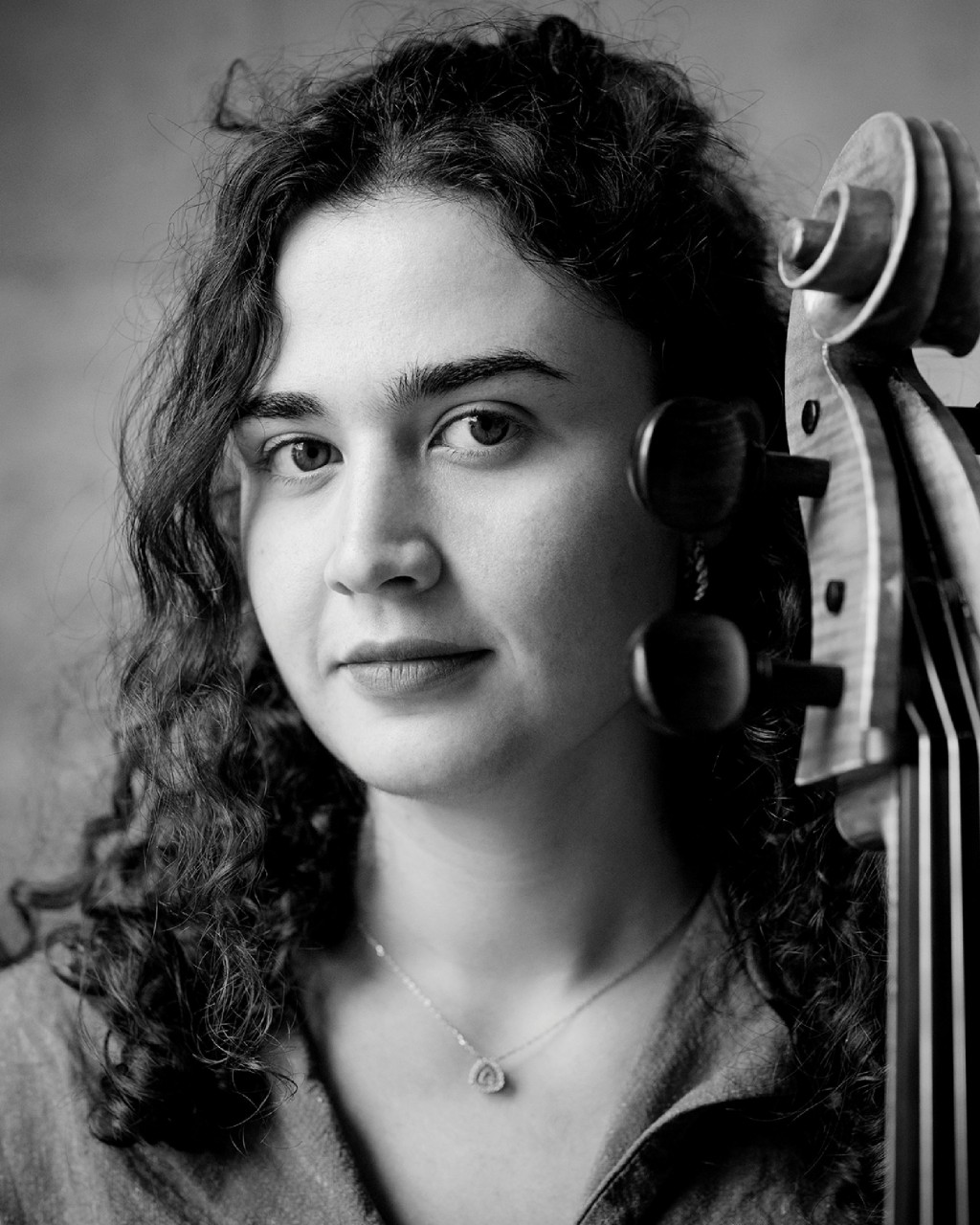
programme
César Franck- Sonate in A FWV 8
Harold Noben - Caffeine
Antoine de Grolée, piano accompanist
The choice of Franck was an excellent fit for Clara Dietlin, as she demonstrates profound reflection on the pieces and the philosophy and lyricism embedded in the composition. The four-movement sonata, which is highly varied in technique and emotionality, was performed with mastery and artistry. This also reminds me of the efforts currently being made to bring the cello back to the public's attention after a more limited presence in chamber music here in Belgium. Her maturity and vision supported her in the Caffeine piece, an outstanding, masterful interpretation of the work, the best we have heard so far. The boundaries of cello playing are tested here, alluding to the contemporary state of suspended communication, as presented by composer Harold Noben.
Dilshod Narzillaev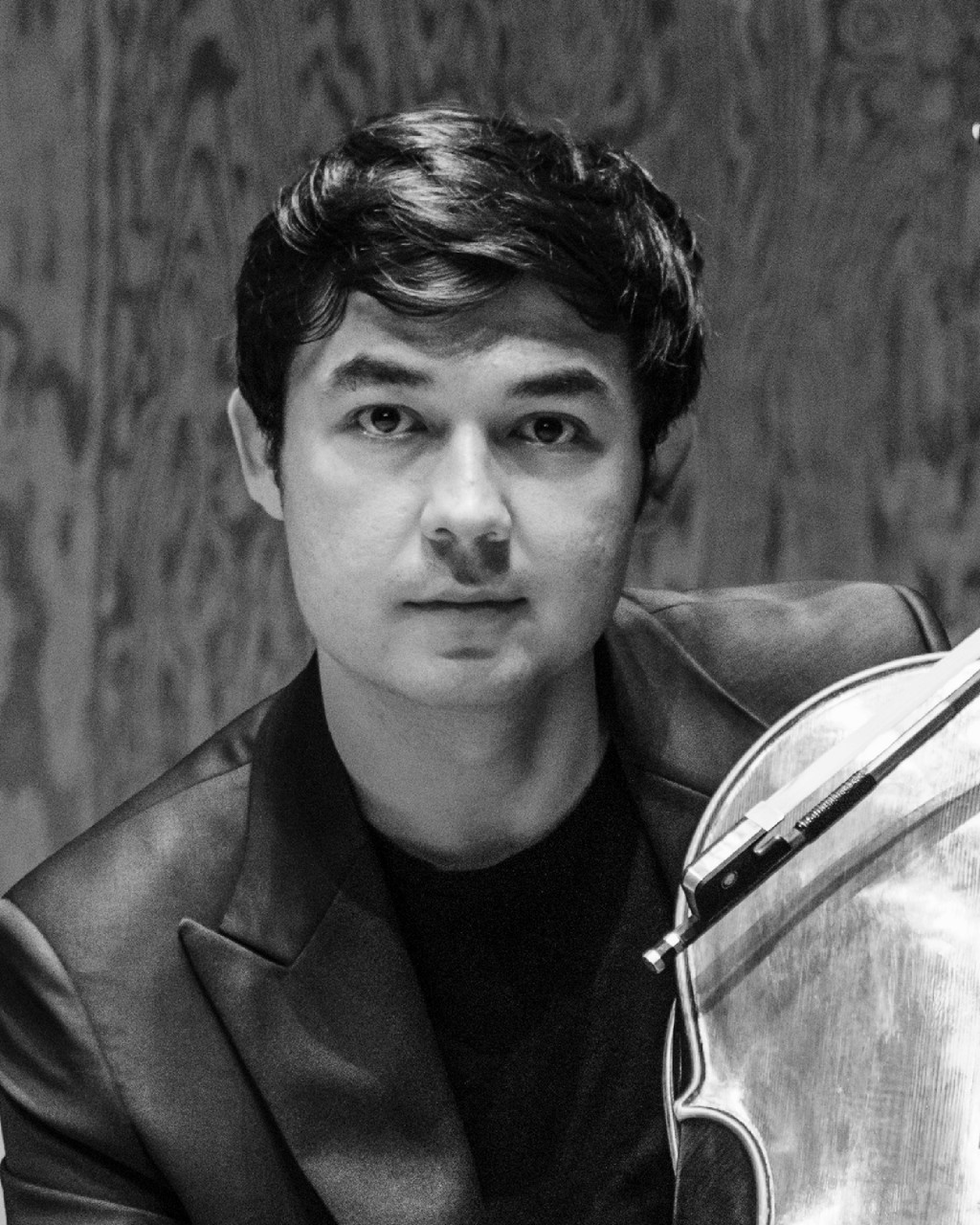
programme
Harold Noben - Caffeine
Gyötgy Ligeti - Sonate for cello solo
Johannes Brahms - Sonate no. 1 in e op. 38
Dana Protopopescu, piano accompanist
Dilshod Narzillaev plays with a kind of artistic purity and singularity. He was able to convey all the tensions of the composition 'Caffeine' in a beautiful way. With Ligeti, in the two-part piece, collisions between civilizations resounded, ethnographic traditions stifled in an effort to cherish strange heritages. In Brahms' three-movement sonata, he merged with his cello into a whole of impeccable aesthetics and technique, with an outstanding cello tone.