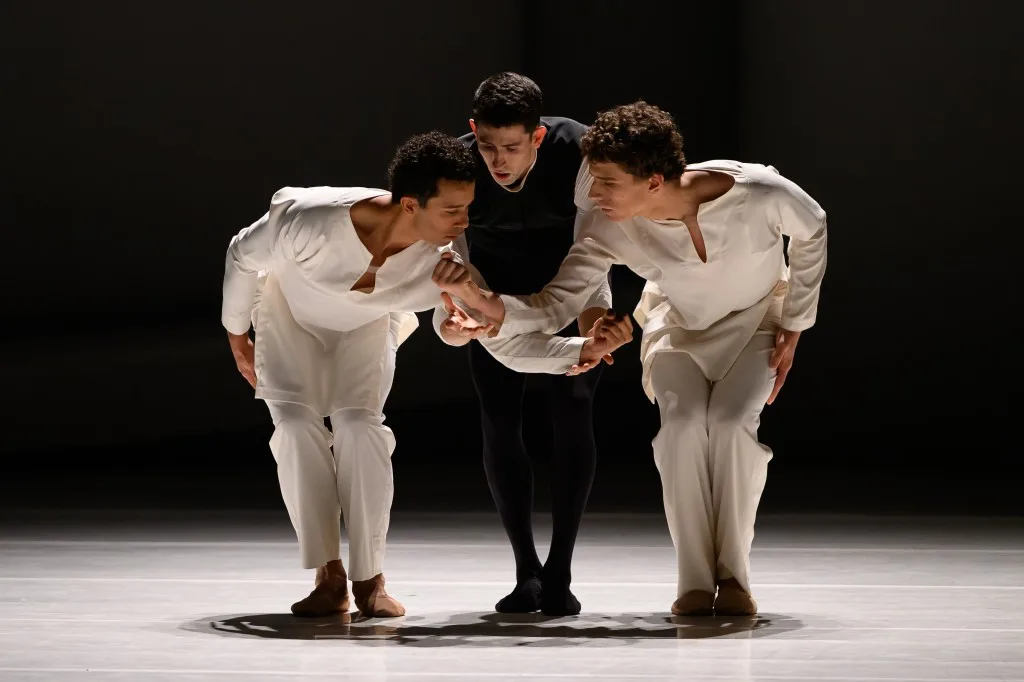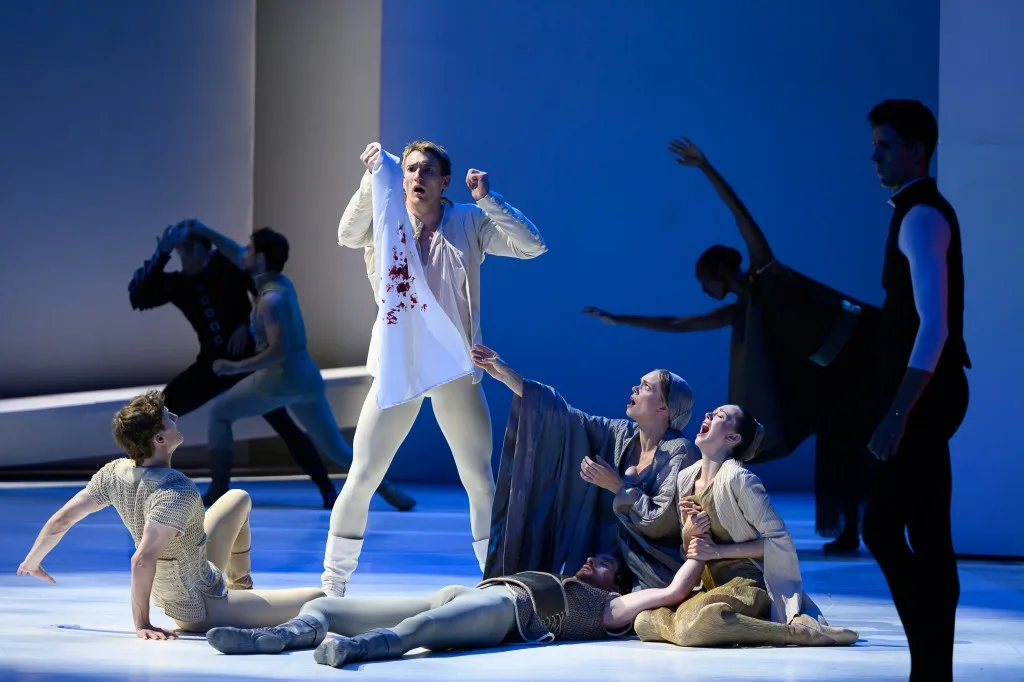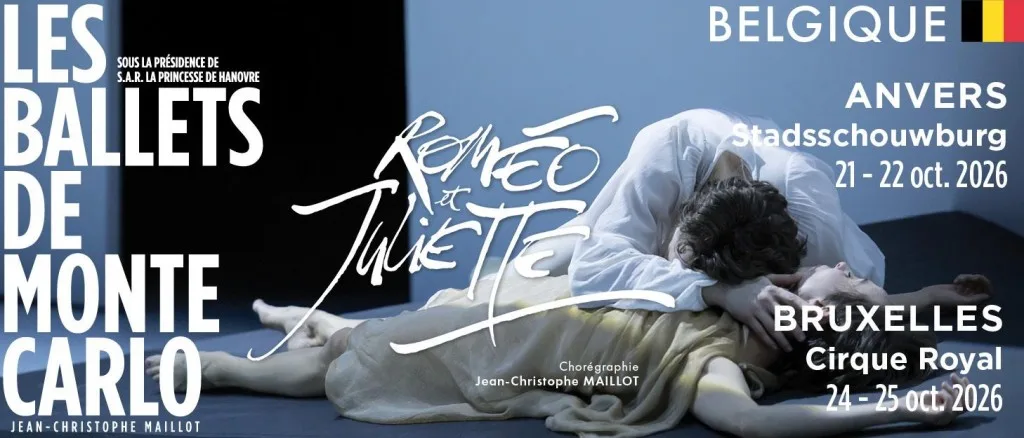
... The production has become an icon. For Juliette (yes, really!) Klein, who is dancing the role of Juliette, a dream come true ("très contente", "passionnant"). Several Belgians dance with the 'Ballets de Monte Carlo', including Jaat (Benoot); he dances an important role, that of Brother Lorenzo, who secretly marries Romeo and Juliet ("challenging, emotional, only where you dream of"). Zino (Merckx) has also been dancing with the 'Ballets de Monte Carlo' for several years. For him, ballet is the ultimate form of dance ("magnificent, movements that originated in Versailles"). Wonderfully beautiful!" And so it was. From beginning to end, both visualized by a tormented Fra Lorenzo (Jaat Benoot / Matèj Urban), whose gloominess sharply contrasted with the infectious, supple cheerfulness of his two acolytes, Kozam Radouant and Zino Merckx, who, as the son of a gymnast from the gymnastics club, moved on to the ballet school.
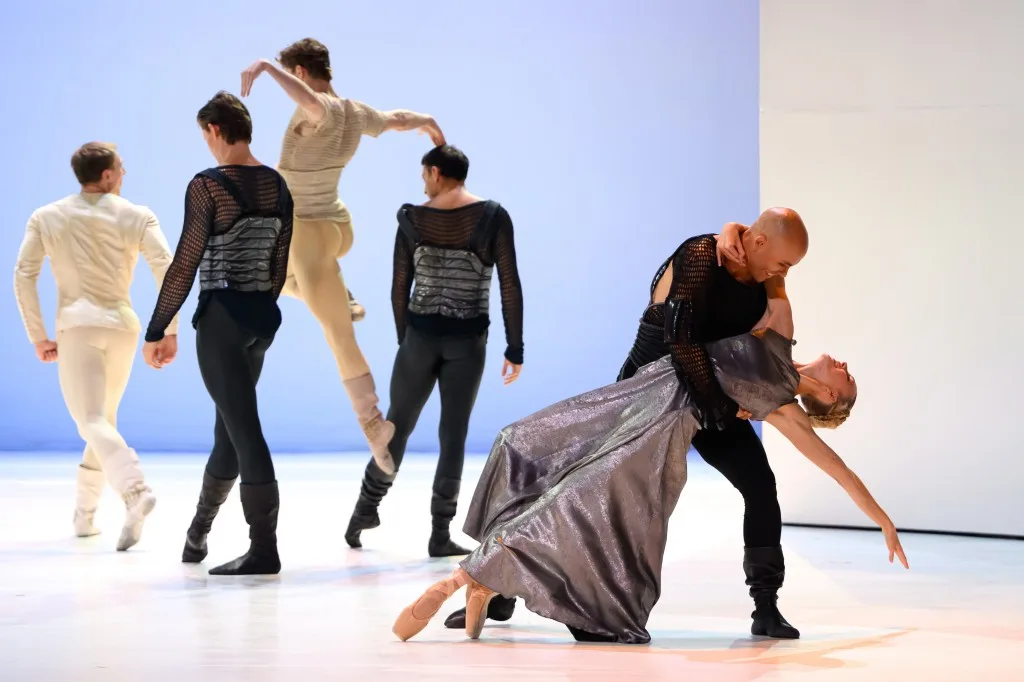
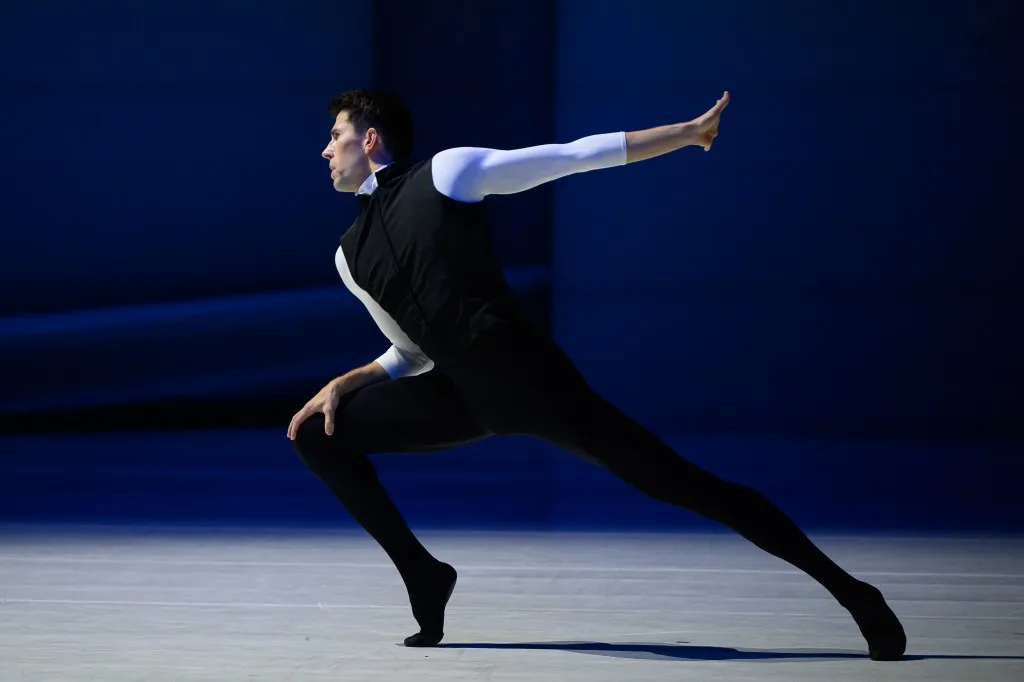
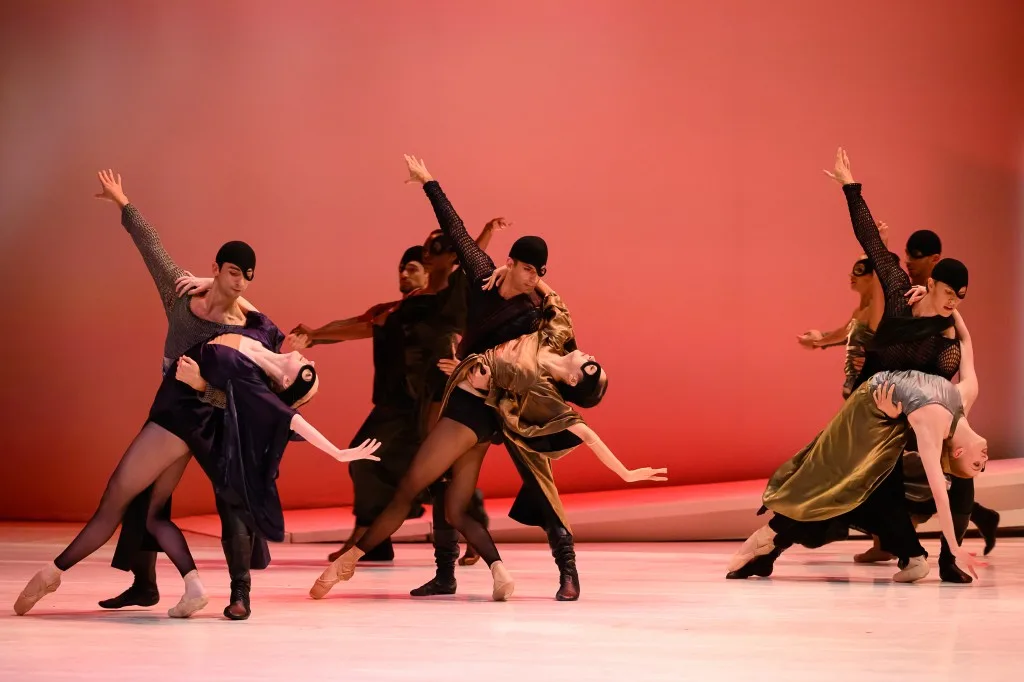
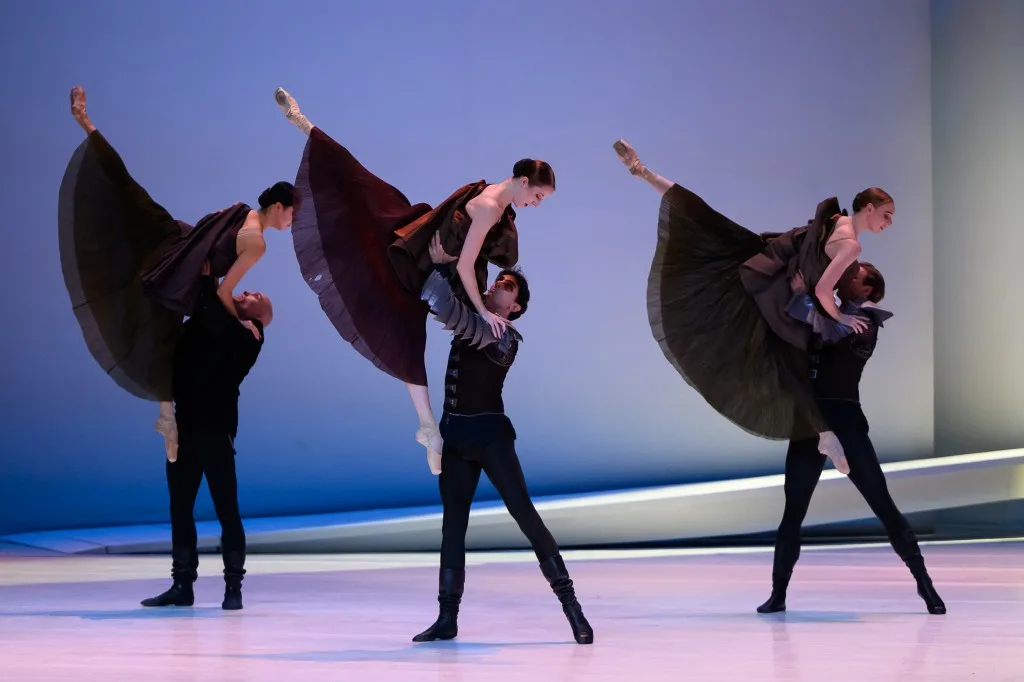
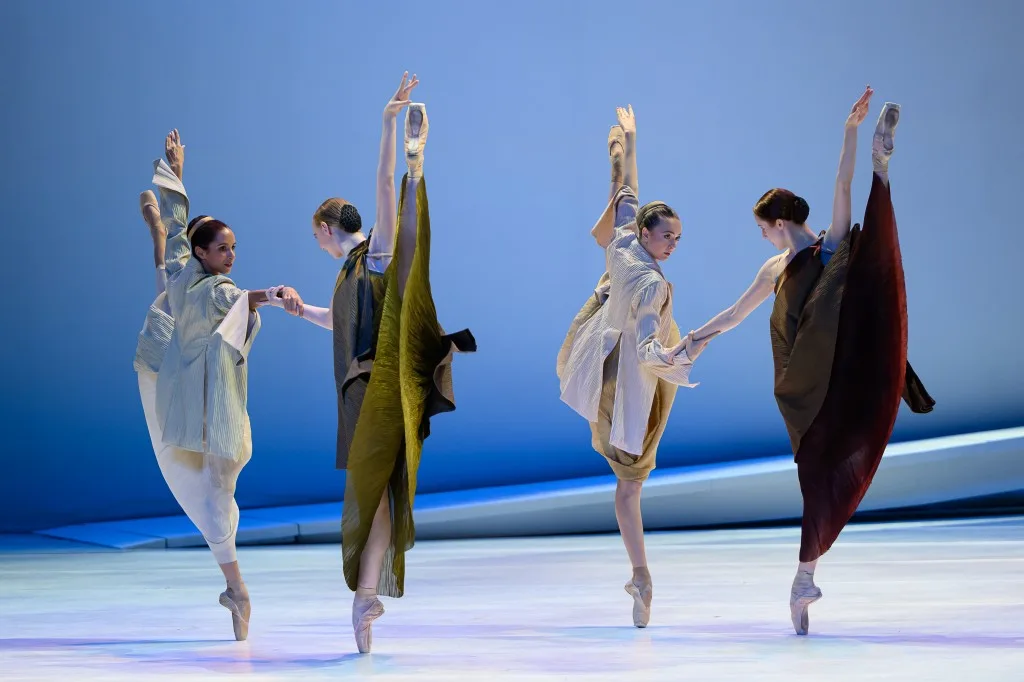
The performance began like a film. With, alongside a black-on-white silhouette of a palazzo, the scrolling names of the cast, in capricious lettering. Capricious, just like the whole fateful story. Contrasts, also between Lorenzo's black outfit and the pastel colours of the sliding panels of the set and of the leotards. All the more striking were the colours that the protagonists put in the spotlight at decisive moments in Jerôme Kaplan's costumes. There was the black, red and gold of the Knights, who surprised with a flamboyant, less rigorous dance than ballet enthusiasts are usually accustomed to.
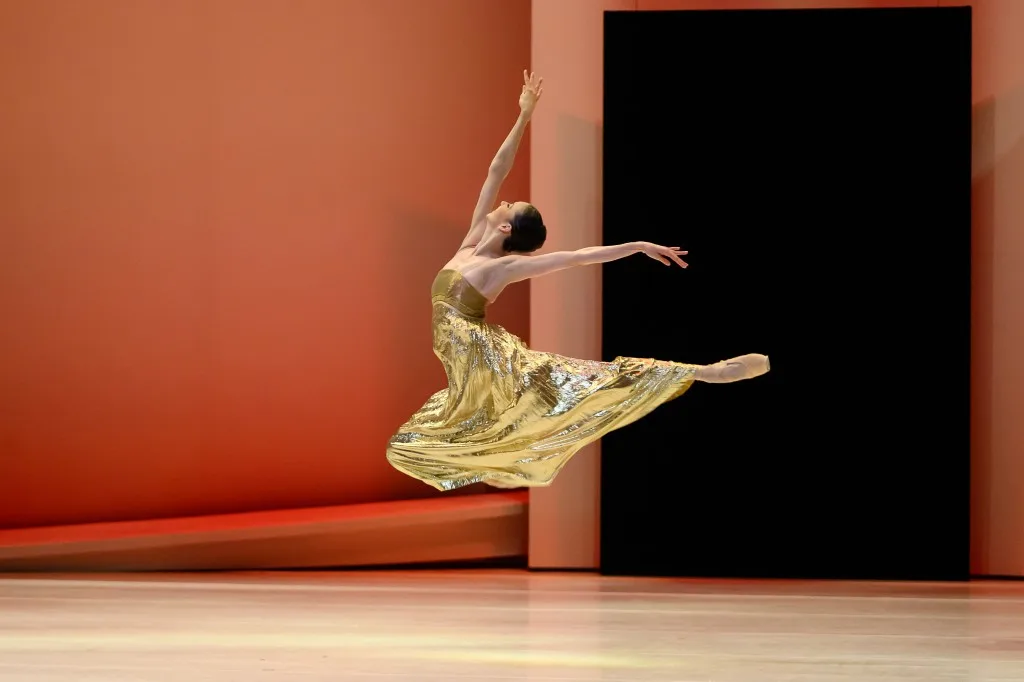
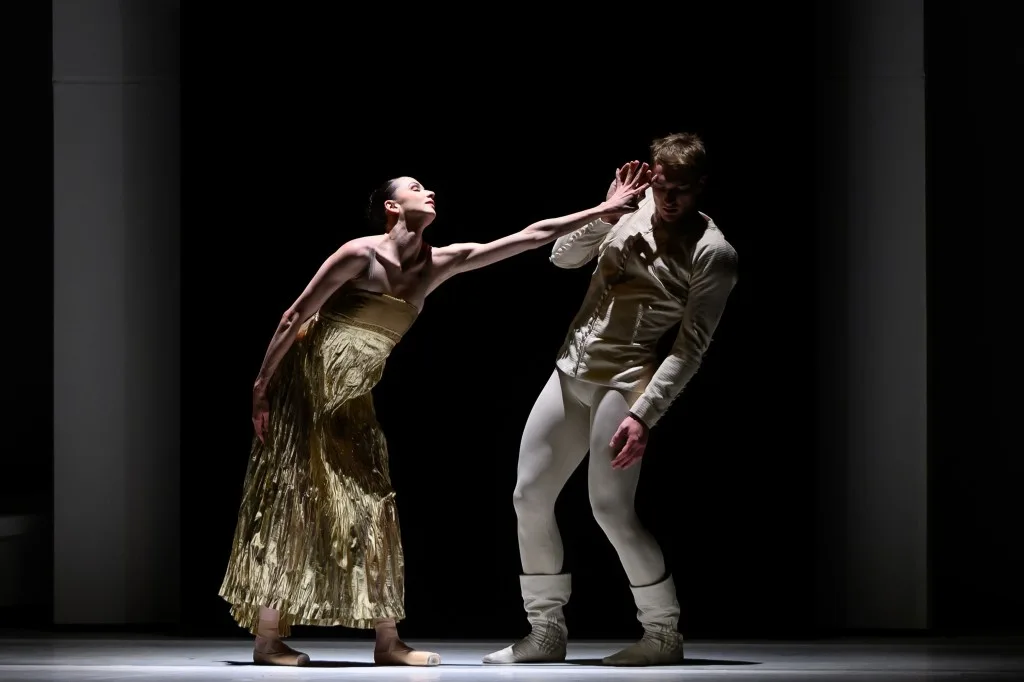
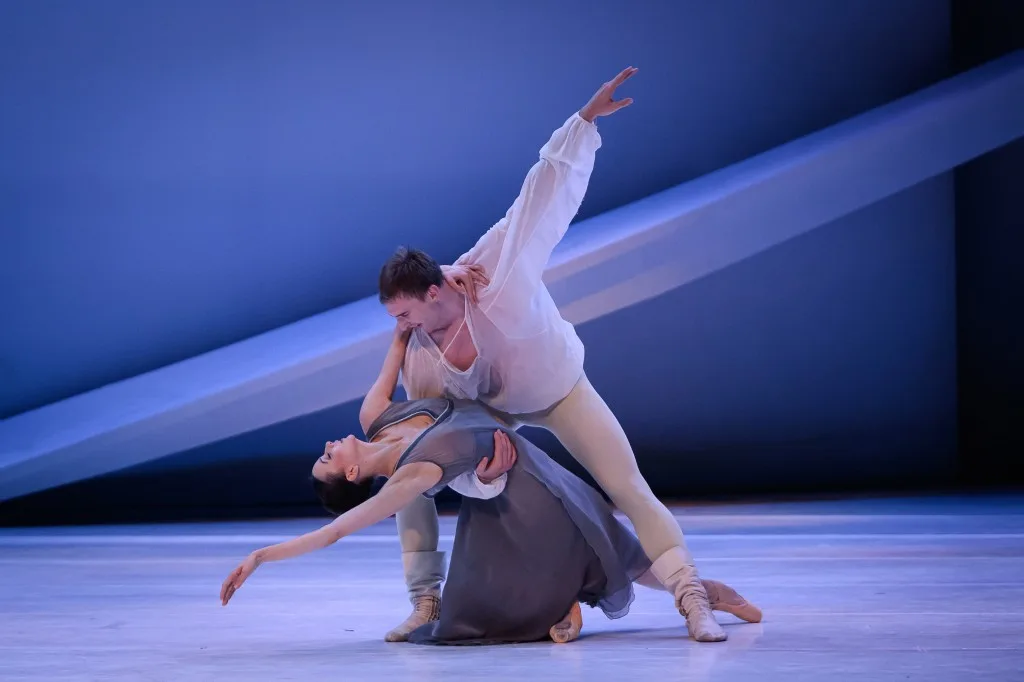
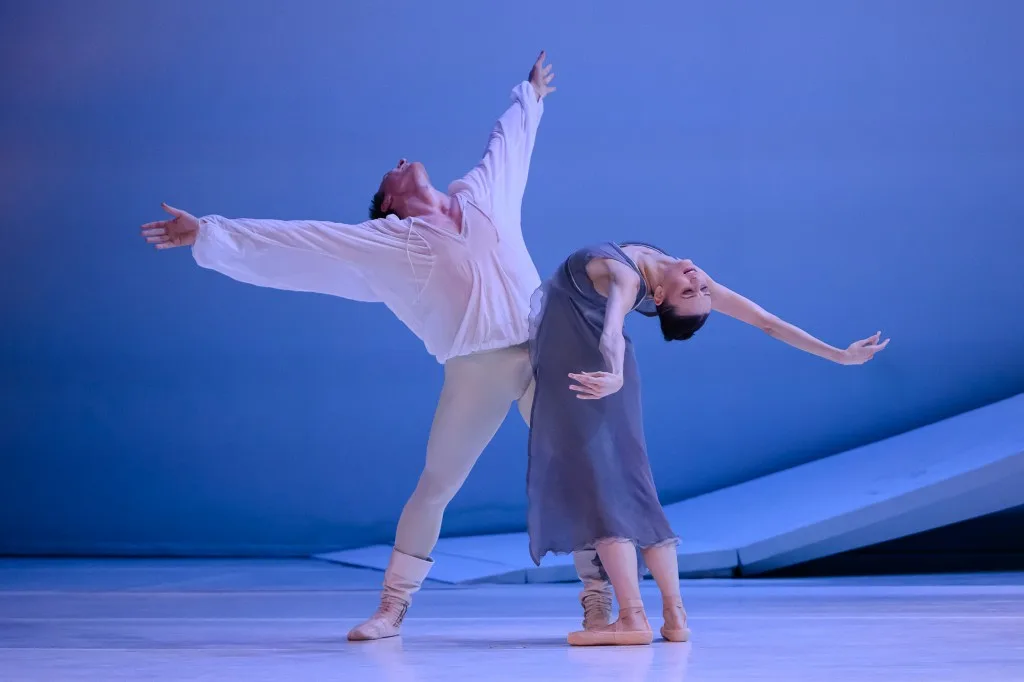
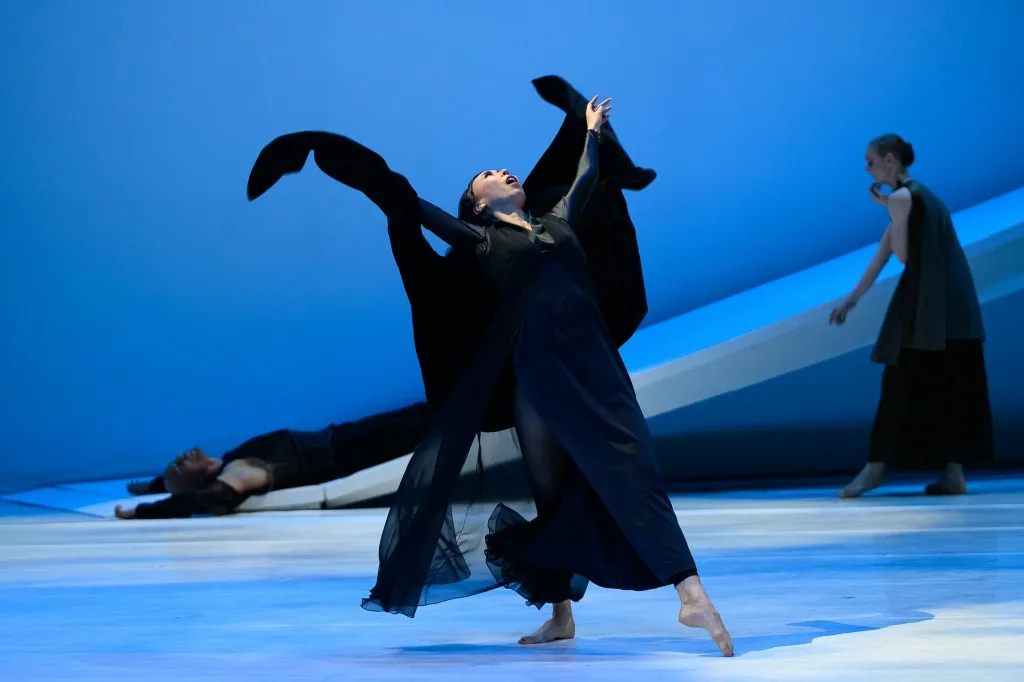
There was Juliette's beautiful golden dress, when marriage was on the table. And there was the black of the desperate Lady Capulet (Mimoza Koike), whose long jet-black hair danced along when the misfortune had unfolded. Hallucinatory! But we're not there yet. There was also the playful, irrepressible concern of Mercutio (Ige Cornelis) for his young friend, the disarming horseplay between Romeo (Francesco Resch) and Juliette (Juliette Klein), despite the expressive involvement of nurse Lydia Wellington. And the original alternative to the balcony scene, where the usual balcony was replaced by a functional sloping plane, which served as a staircase, gallery, footbridge or toboggan.
Functionality, further reinforced by the creative lighting of Dominique Drillot. And there was the music of Prokofiev, already dramatically charged in itself, and now fragmented, accentuated, kneaded into a Prokofiev-squared.
Vision
Speaking of names, bravo to Jean-Christophe Maillot! Since he succeeded Pierre Lacotte and subsequently Jean-Yves Esquerre in 1993, he has aimed to combine the rigour of classical ballet with contemporary freedom. He does not set tradition and modernity against each other but lets them resonate with one another.
His masterful build-up towards dramatic moments meant that you could not get enough of the ethereal world, the refined, purified or sometimes mechanical, puppet-like movements and situations full of momentum versus cinematic slow motions. He created a fresco where sound, colour and costume spoke volumes.
In the packed hall, the silence was both audible and palpable, as the fate of the lovers was sealed soberly by a chain of tender yet fatal gestures. Monaco and Monte Carlo sometimes evoke perfection. So did this production. Among the few contemporary ballet titles that can rival my innate love for the tutus and pointe shoes of the 'ballet blanc' are the incomparable 'Giselle' by Mats Ek's Cullberg Ballet and most productions by Maurice Béjart. From now on, 'Roméo et Juliette' by 'Les Ballets de Monte Carlo' will join them.
Yes, all good things come in threes...