


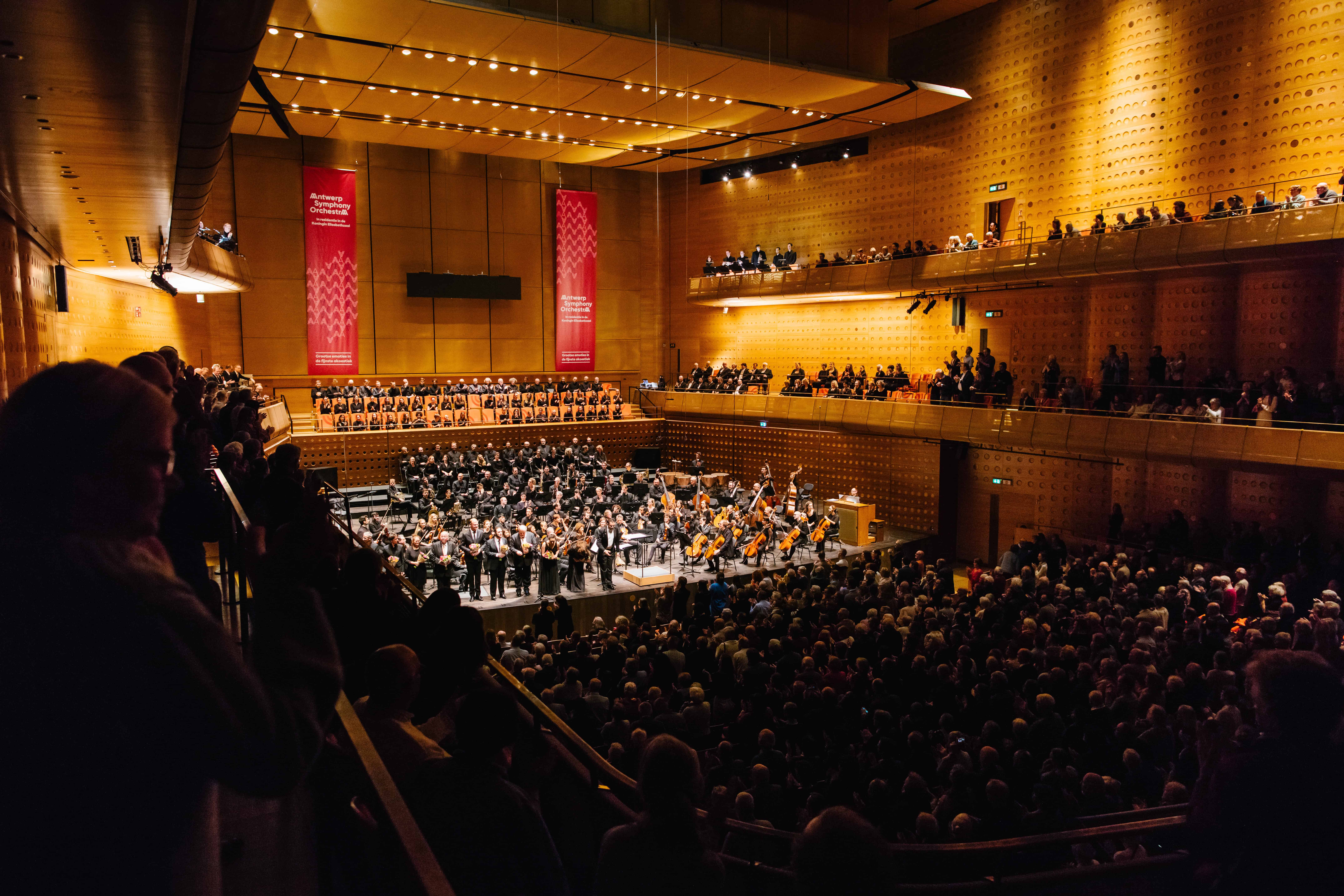
125 years of classical music in the Koningin Elisabethzaal in Antwerpen: it gives us a glimpse into the past of Belgian music culture. Reflecting on this, we certainly cannot complain, for to this day we can enjoy a vast range – from opera to film music. As small as we are as a country, so great is our love for (music)art. To celebrate all of this, the Antwerp Symphony Orchestra, Groot omproepkoor, Laurens Collegium, Octopus Kamerkoor, the Waelrant children's choirs, and numerous soloists brought a unique production of a – unfortunately – rarely performed work: Peter Benoit's De Oorlog (1869-1873). Under the direction of conductor Jac van Steen.
Flemish sounds
Benoit's oratorio can at the very least be called massive: multiple choirs – including a children's choir –, symphony orchestra and soloists. But what makes this Magnum Opus – for me, at least – unique is that the texts by Flemish poet Jan Van Beers flow beautifully through this work. Dutch as a sung language in classical music, does that work? It is a question I as a musicologist have heard several times over the past years. Thanks to De Oorlog, I can finally settle this matter: absolutely. The elegance of Benoit's vocal composition cannot be underestimated. It is a scenic treatise on the Prussian-Austrian conflict of 1866, and the earlier American Civil War (1861-65). Conflict, atrocities, sorrow and ultimately the beginning and end point in peace and tranquility provided a great source of strength and substance for this composition.
Benoit the man
Peter Benoit (1834-1901) was a Flemish composer and music pedagogue. A brief section should be devoted to the importance of a nineteenth-century composer in what remains (but that is simply history) a strongly international musical landscape in Belgium. Among the Italian, French and German opera compositions that took their first steps in Belgium stood Peter Benoit as a kind of figure for the Flemishization of music. This expression (Flemishization) has nowadays quite a nationalist connotation, but then it meant something like bringing music culture back to ourselves. Benoit did not only channel his influence into his compositions, but also into his teaching: he ultimately became the first director of the Koninklijk Vlaams Muziekconservatorium in Antwerpen.
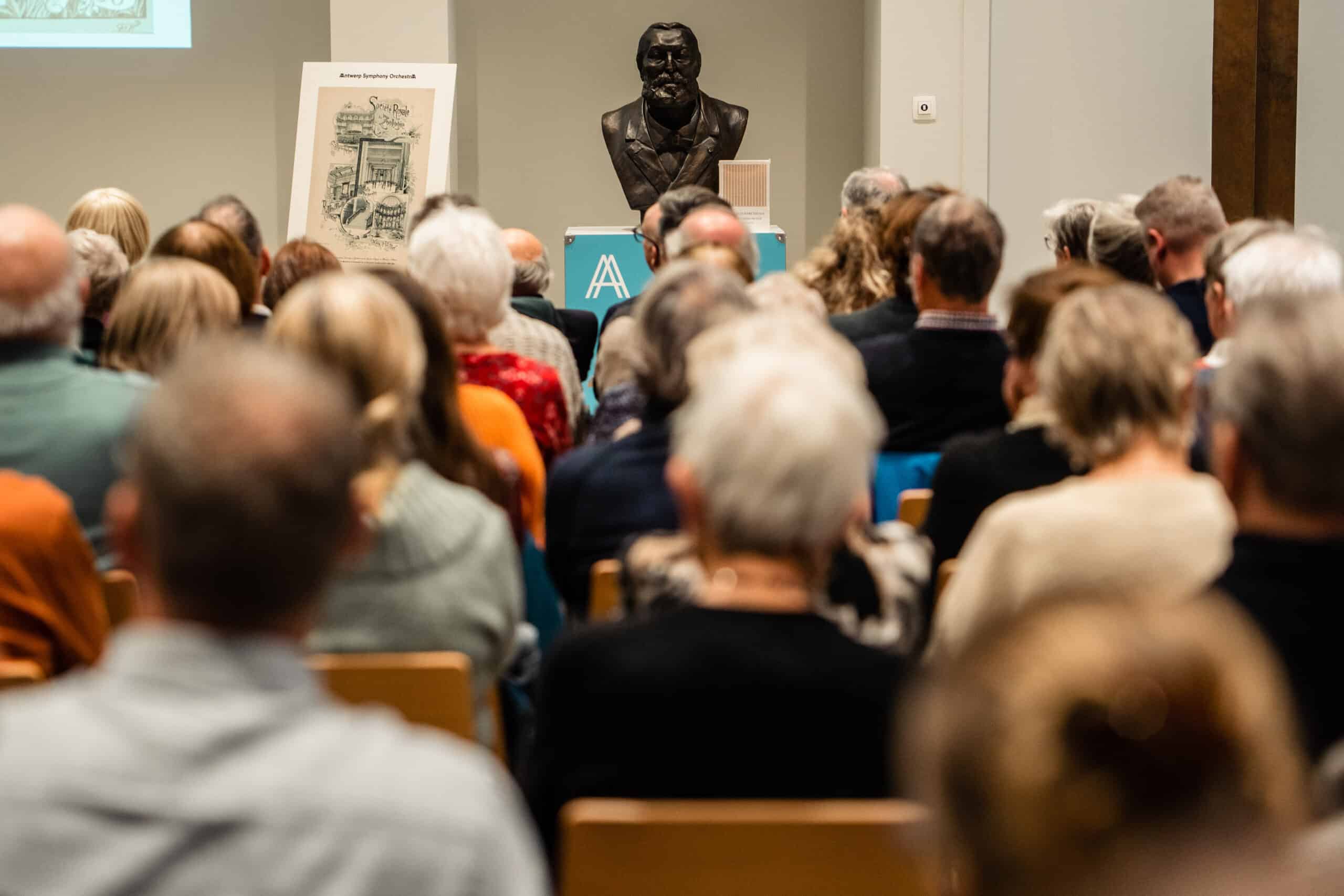
Benoit's war
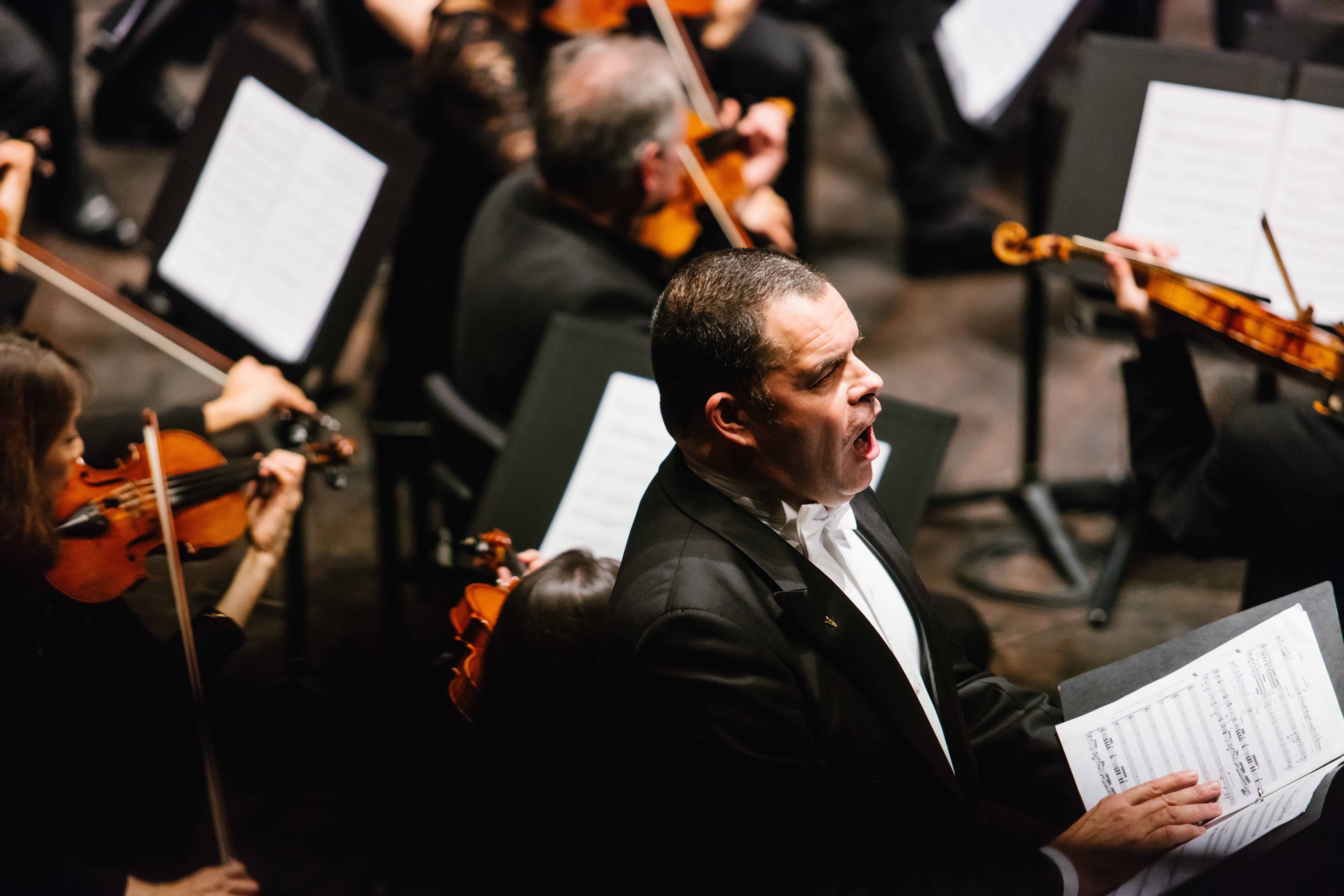
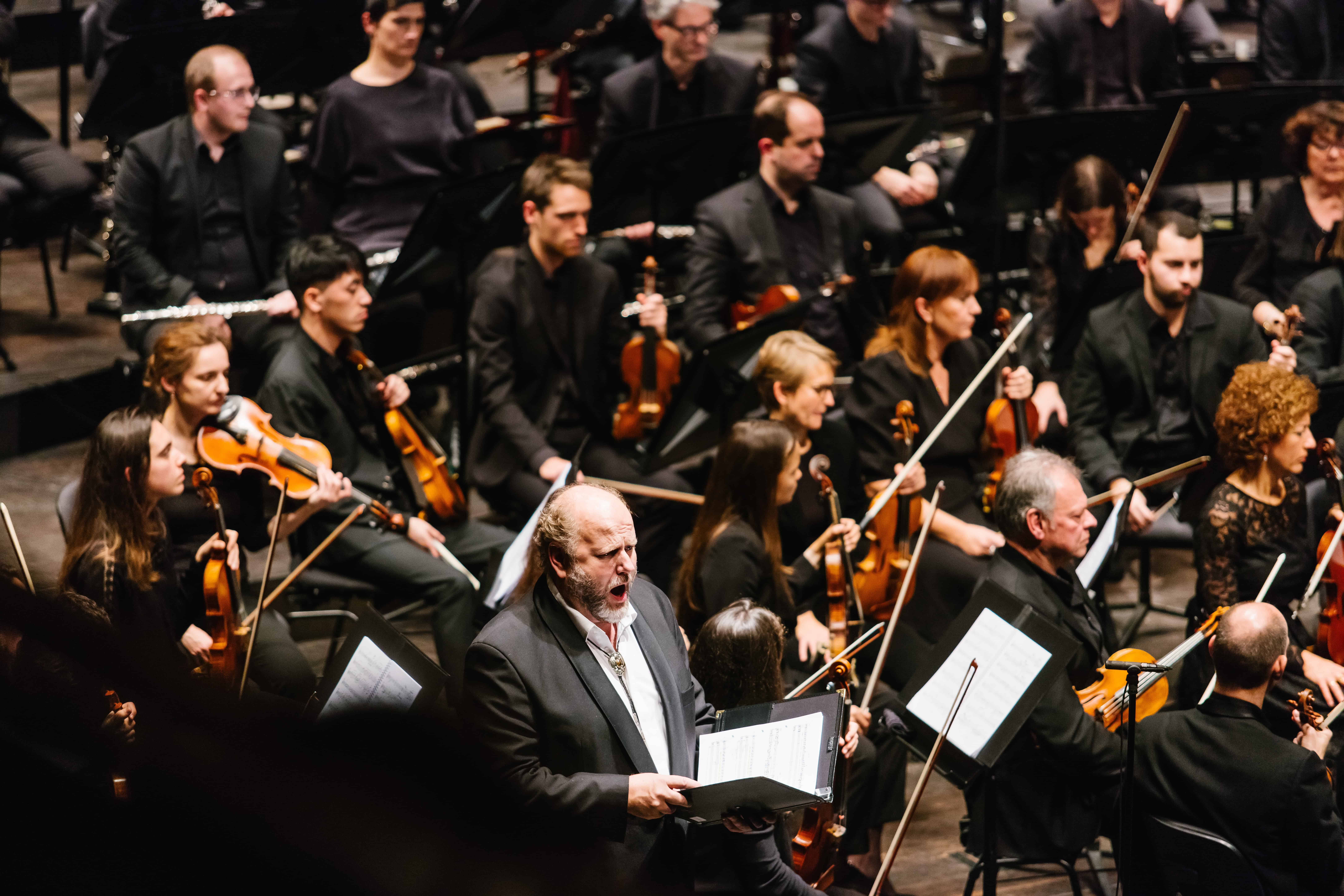
De Oorlog is a Belgian composition, but stylistically it drew its inspiration from various German and French romantic musical trends. Musically, the nineteenth century was truly a beautiful melting pot of sound and compositional styles! The result is a narrative composition with a wealth of vocal power, and a collective of strings. The extended bass section – eight cellos and six double basses, if I am correct – gave a foreboding of the thunderous power that was to be expected once the musical war began.
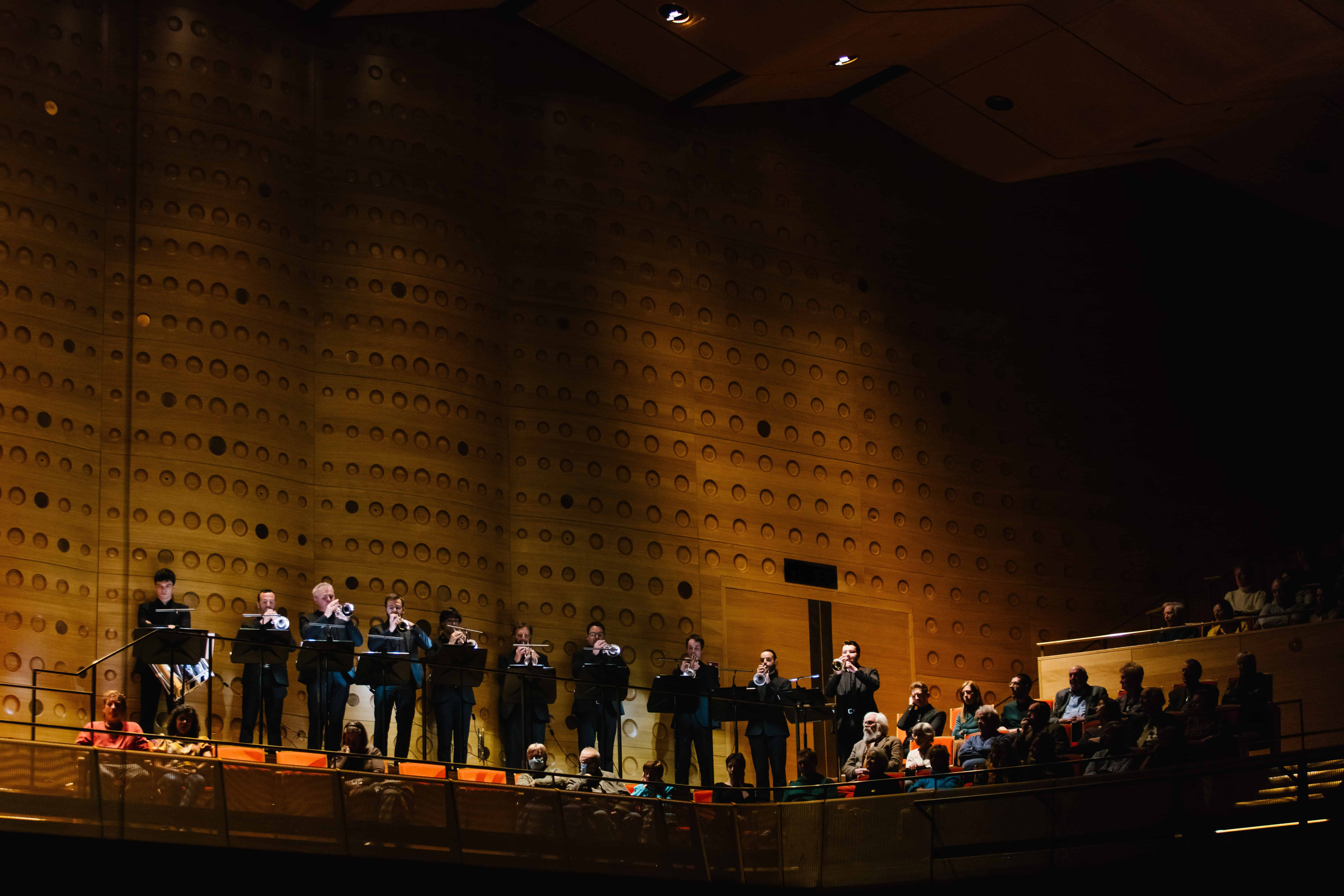
What stood out about the quality of this production was that everyone was at an equally high level. All soloists were excellently chosen – strong, vocal and audible far back in the hall. A little extra applause for the vocal strength and colour of alto Cécile van de Sant. A vibrato like clockwork does occur more often among classical singers (and, but that is another discussion, is not always desirable), but the transitions to not always easy intervals were smooth and memorable. The choirs were placed opposite each other on the first balcony in the space.
The question was whether this would be a dialogue, or a battle – the arrangement created an ambiguous atmosphere in this regard. The result was a whole where the different choirs sang repetitions of Van Beers' poems at various moments. Less fighting, more complex tonal colours then. The children's choir got a bit lost on me, but that could also simply have been due to the seating. From what I heard, it was a nice addition to include the voice of youth and innocence in the war composition. The typical percussion and brass sections (war instruments) were also very much present.
Previous Next
That this composition has been performed so rarely (25!) is a pity. After this evening, this reviewer at least hopes that it will find a more frequent place in the oratorio repertoire. It is a haunting, romantic composition in which you as a listener are swept along. And about this performance? There are actually few words needed: well done all!
WHAT: De Oorlog (1869-73) by Peter Benoit.
WHO: Jac Van Steen [conductor], Antwerp Symphony Orchestra [orchestra], Katrien Baerts [soloist], Cécile van de Sant [soloist], Frank van Aken [soloist], Lars Terray [soloist], Bastiaan Everink [soloist], Charles Dekeyser [soloist], Ivan Thirion [soloist], Groot Omproepkoor [choir], Laurens Collegium [choir], Octopus Kamerkoor [choir], Meisjes Jeugdkoor Waelrant [choir], Waelrant Kinderkoor+ [choir].
WHERE: Koninging Elisabethzaal, Antwerpen.
WHEN: Saturday 26/11/2022.