Wednesday 2pm. Meeting at the headquarters of Ballet Vlaanderen, on 't Eilandje, for the performance of Choreolab, in which the dancers are challenged to develop themselves further as choreographers and their work is presented to the audience in a showcase moment. They are given carte blanche to do their thing: dance, lighting, costumes, sets.
The hall is more than half full with a young audience, students from the ballet school Prins Dries. Young people, children, who have devoted their hearts to dance. In their educational process, the opportunity is created to get a taste of the real stuff. A particularly attentive and grateful audience.
Because Ballet Vlaanderen is celebrating its 50th anniversary and artistic director Sidi Larbi Cherkaoui has been setting the course for five years, this season is under the theme of 'FEEST'. Like a chameleon, Ballet Vlaanderen has adapted to the spirit of the times and has meanwhile grown into one of the leading cultural export products of our country.
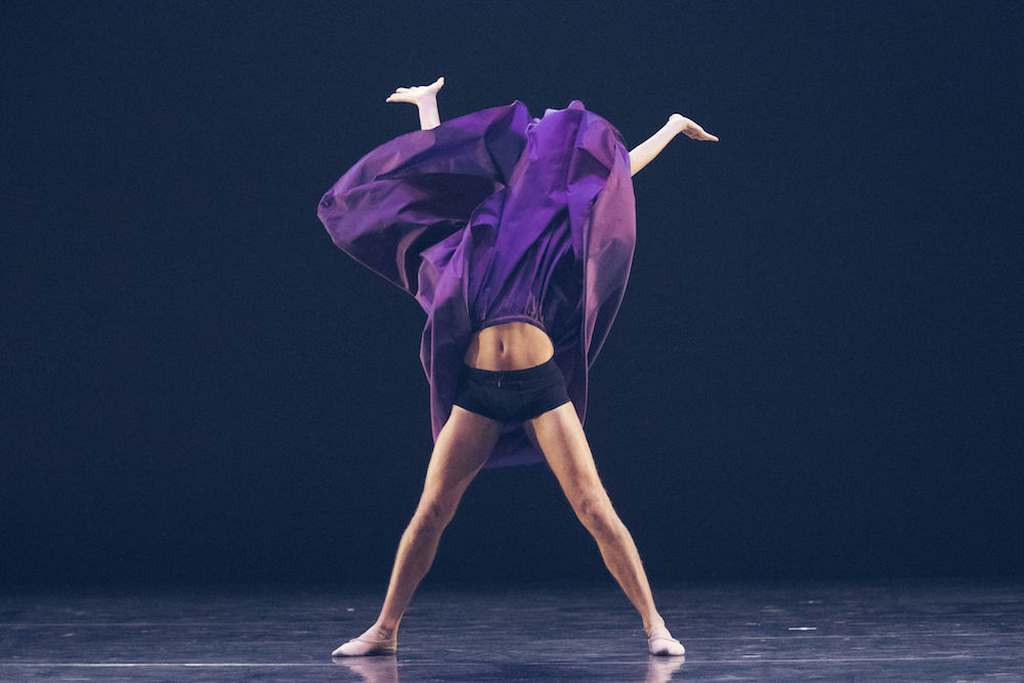
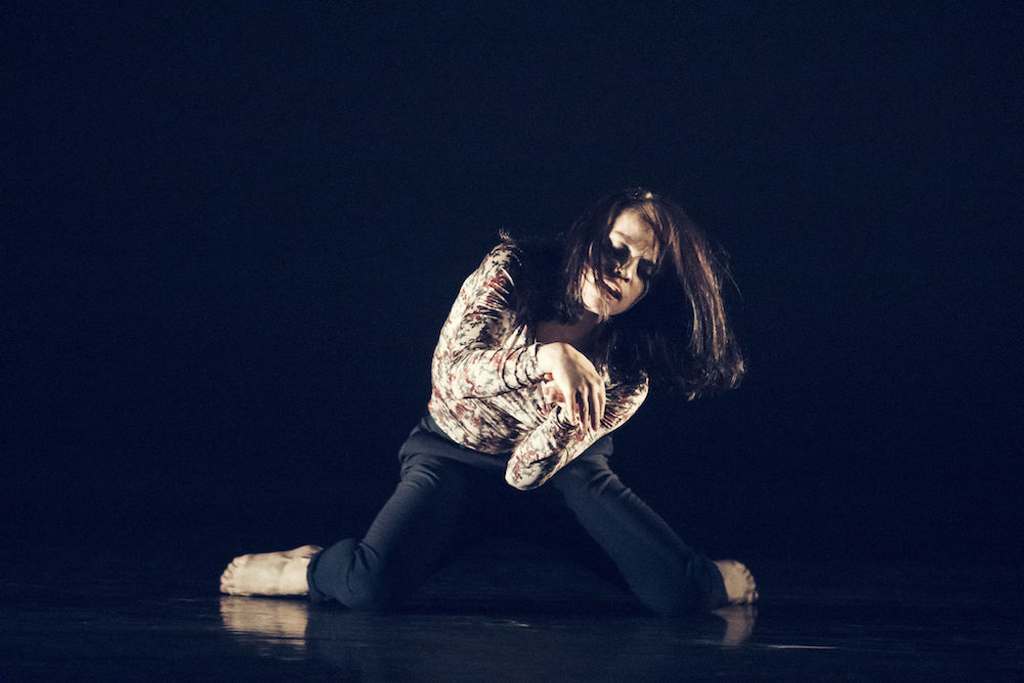
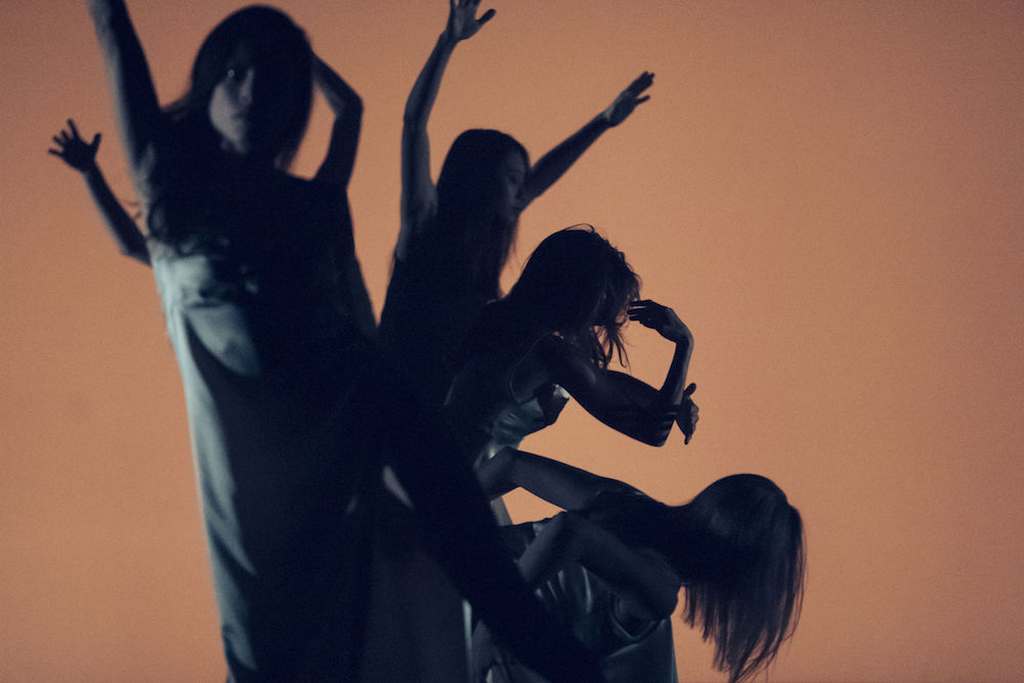
In this edition of Choreolab, half a century of dance history is compressed into 8 very different choreographies in terms of style and iconic images. Testifying to the evolution and power of the medium. Ballet Vlaanderen scores not only in terms of dance talent, there is also strong choreographic talent in its ranks. They do justice to all styles and genres and create new pieces for fellow dancers and even for the rising talents of Junior Ballet Antwerp or the Koninklijke Balletschool Antwerpen.
'The Vital Escape Up', dance film by Nicola Wills
The performance opens with a projection on a large screen, a work by Australian half-soloist Nicola Wills, who has been part of the company since 2013. She was inspired by the song 'Harbour' by SOHN.
She wants to show that as an artist you must dare to step out of your comfort zone to succeed and present yourself receptive and vulnerable. Partially successful intention. To me it comes across more as a short cinematic trip and an ode to Antwerpen in which some beautiful and impressive locations are shown through dance. While telling a story that is both universal and local. A beautiful overall picture and a skillfully filmed opener.
'La Fête ', choreography Nini de Vet
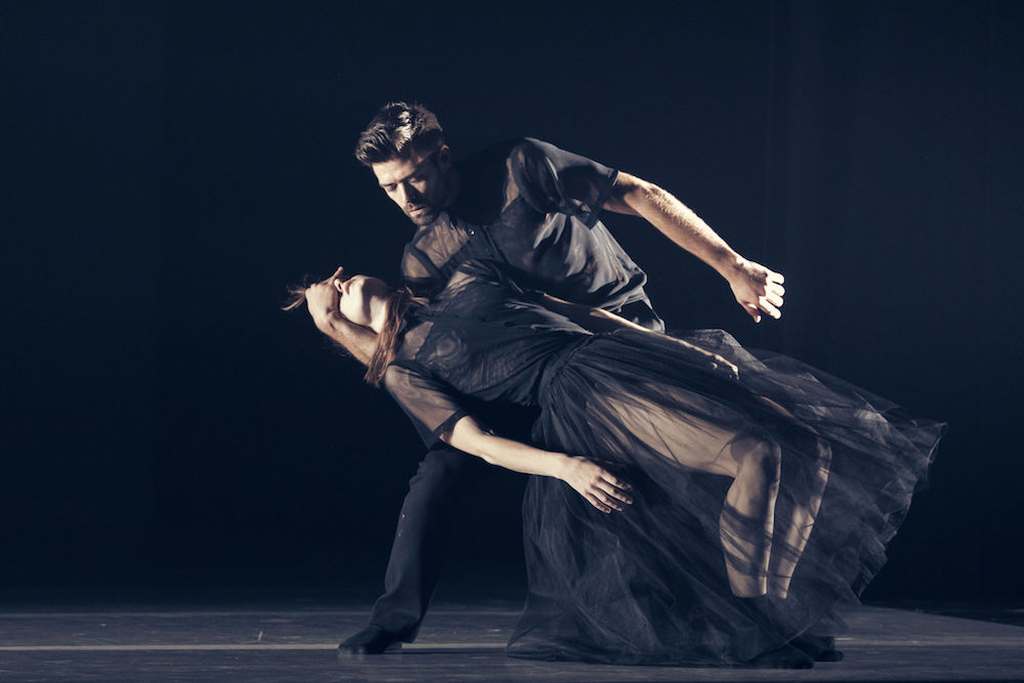
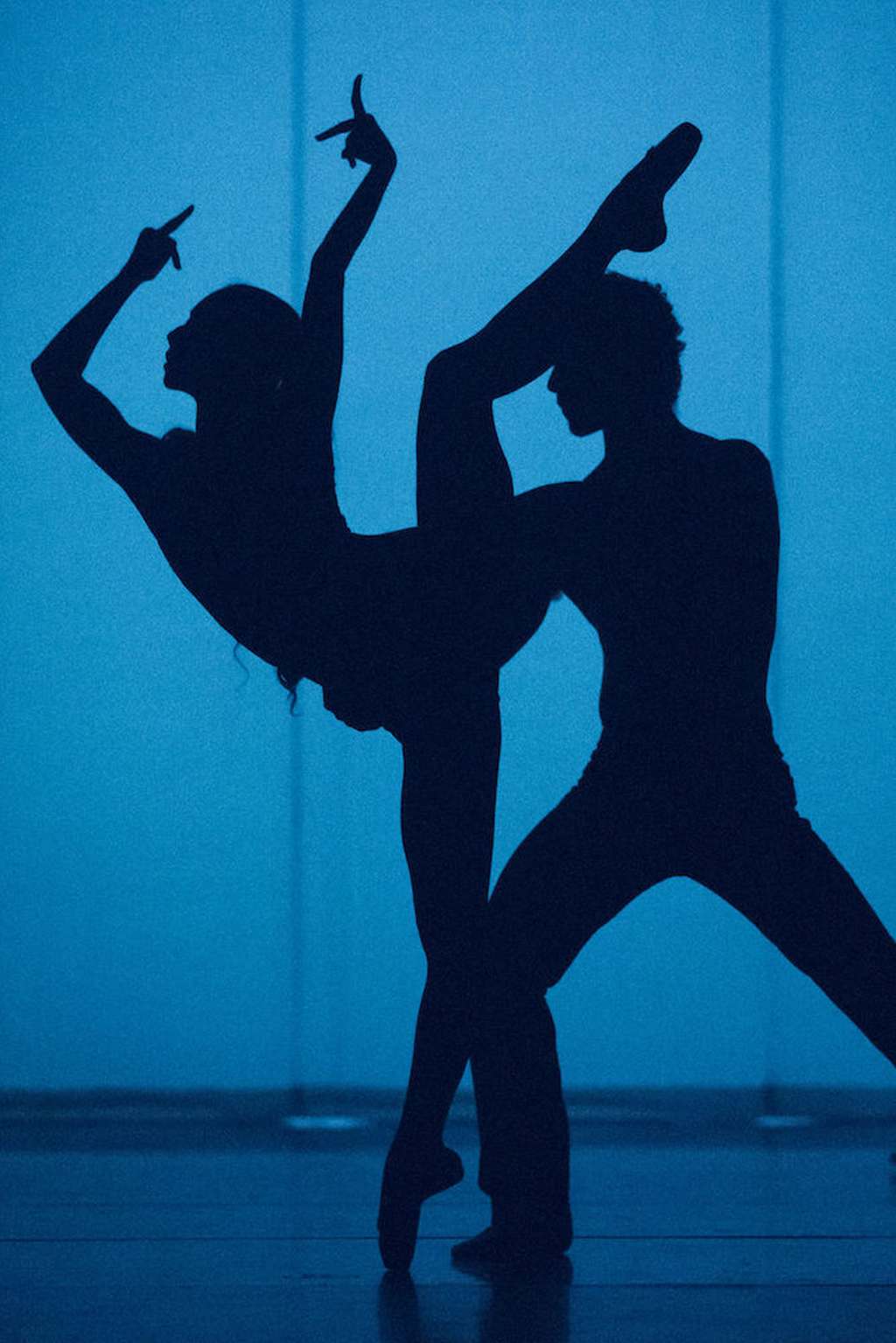
Nini de Vet has been part of the company for 11 years and takes the audience through time. Through the romantic tutus and the music, the classical ballet tradition is brought to life with standardized dance movements full of precision and elegance. She plays with all possible combinations: three couples as an ensemble, a duet, a solo for a male dancer, two men and a woman, two women. For 'La Fête' she drew her inspiration from the renowned music of Yann Tiersen.
'Cake or Death', choreography Nancy Osbaldeston
Principal Nancy Osbaldeston is in her sixth season at Ballet Vlaanderen and her fourth as choreographer for Choreolab. Her spicy choreography was eagerly absorbed by the dancers of Junior Ballet Antwerp under the direction of former principal Alain Honorez in collaboration with the Ballet School. Nancy Osbaldeston fully explores her imagination and makes it a refreshing spectacle. Theme: a dose of positive and healthy self-love. It is not spelled out heavily, rather pleasantly disturbed. A mix of zest for life and combativeness. A colorful dressed bunch reaches greedily in slow motion towards an object, centrally in the foreground. Someone manages to seize the treasure. The group scatters apart. Freezes in a tableau vivant. Then sways further apart. A character in black with bright red socks and a heavy briefcase breaks loose from the group. His capers are reminiscent of Charlie Chaplin and silent film. Her choreography is full of clever movements and effects. Then the accent is on the hands, then on the feet. As colorful as the colors, so diverse is the music: ranging from Frédéric Chopin, Johan Strauss, voice and piano Nancy Osbaldeston and more. Each dancer gets their moment of glory. Osbaldeston has a mischievous inventiveness, graceful, sparkling and refreshing. The dancers touch us through their playfulness and joy of dance.
'Slaves of the Rhythm' Chaquito Van Hoeve
Like a slave of rhythm, choreographer Chaquito van Hoeve surrenders himself to the music. He himself performs on the stage. As the curtain rises, the dancers are kneeling and bending forward. Gradually they raise their torso. They don't play air guitar, but the air drum: left, right. The rhythm is steadily increased. The music of Steve Reich 'Drumming Part IV, performed by the Colin Currie Group is the driving force to dance and celebrate life. Just as young people go to festivals to lose themselves in music, a peak is worked towards here. This choreography ends exuberantly on the dance floor of a discotheque under dynamic stroboscopic light.
'Four Seasons' Drew Jacoby
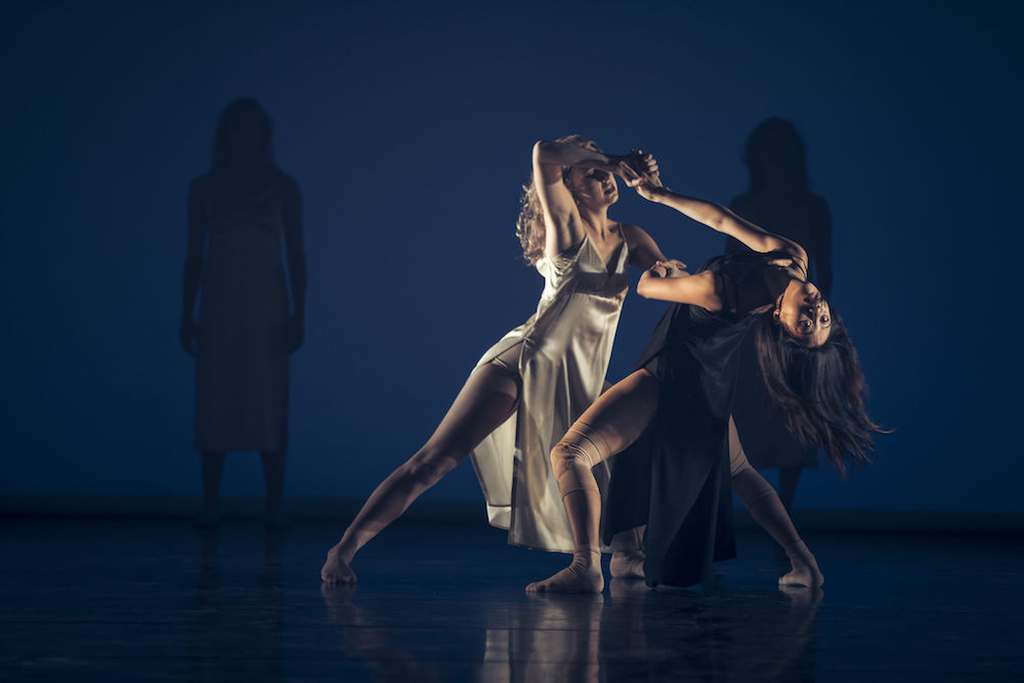
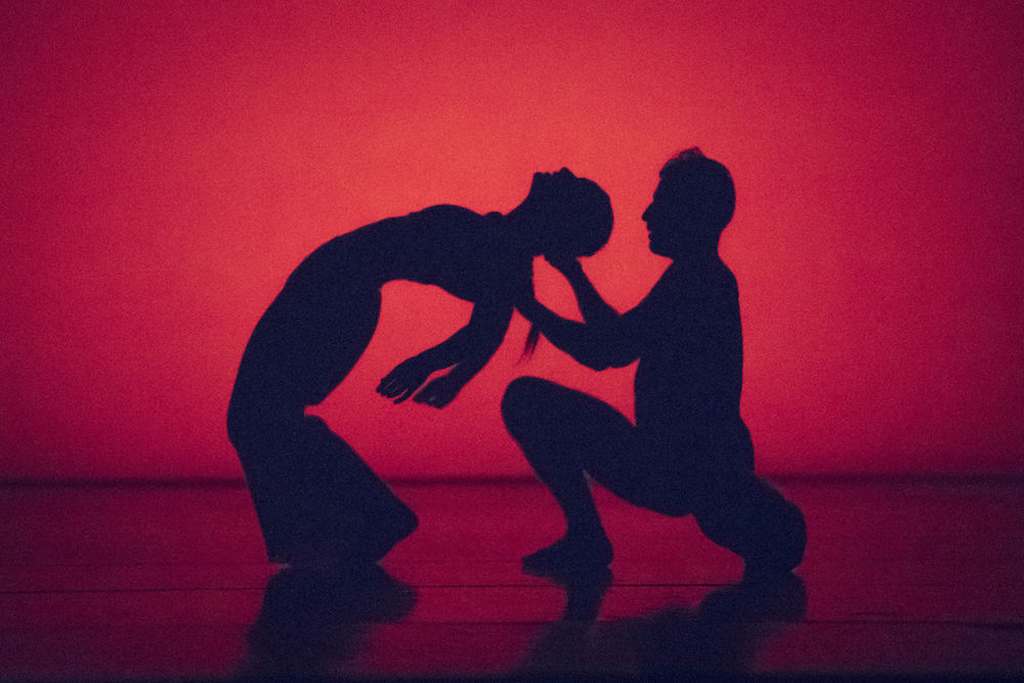
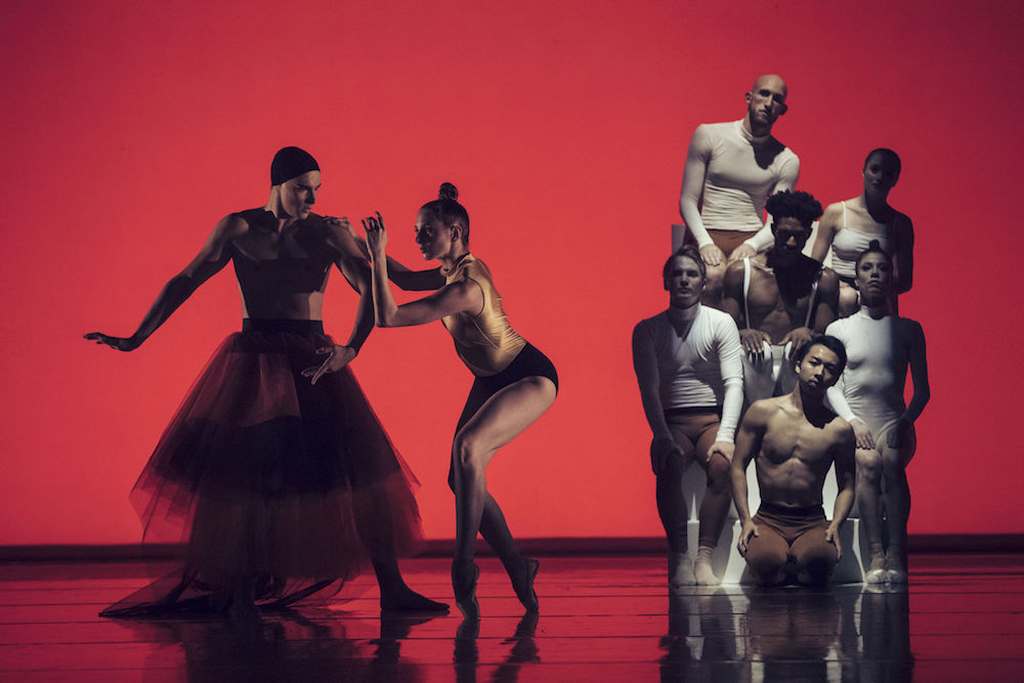
After the break, another merging of film and dance. A collaborative work by Drew Jacoby, Sidi Larbi Cherkaoui and filmmaker Rahi Rezvabi, born and raised in Tehran. Autumn colors brown, winter white, summer red. Visually beautiful to see. A short and powerful statement.
'Mad Scene' Drew Jacoby
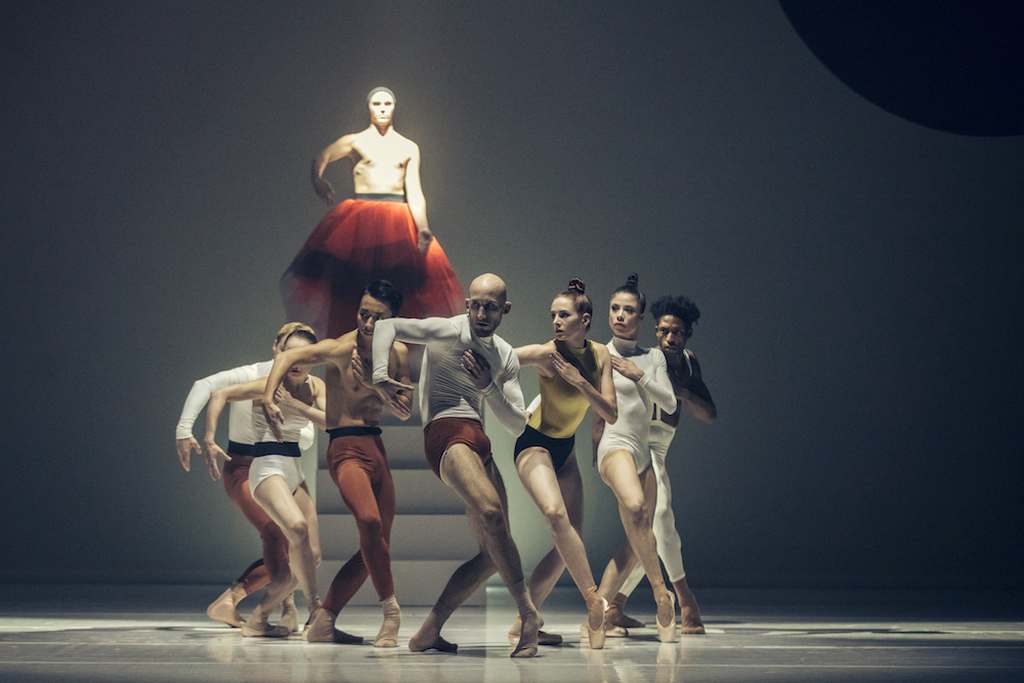
Since 2015, Drew Jacoby, after a career with NDT1, has been principal at Ballet Vlaanderen. She found inspiration in the world of opera and created a choreography on an aria from Donizetti's Lucia di Lammermoor. She plays with the mad scene. Her operatic approach is very much like a burlesque and begins with an impressive and versatile male solo. This choreography demands a lot from the dancers, virtually every variation in the soprano's voice gets a dance interpretation. The whole thing is a winking pastiche. Surprising.
'In situ' Juliet Burnett
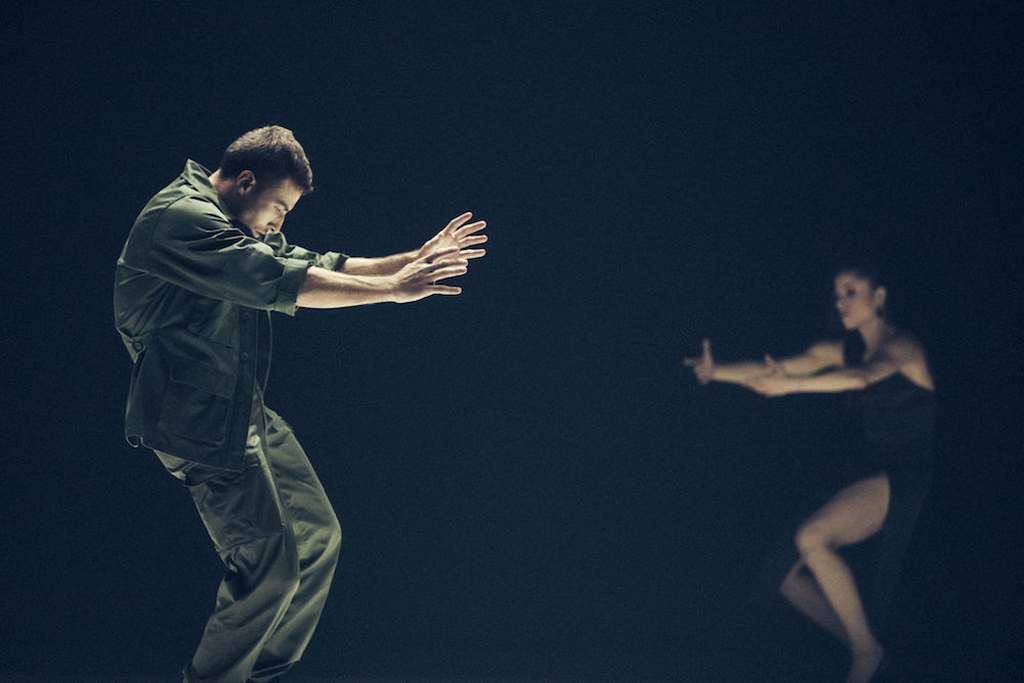
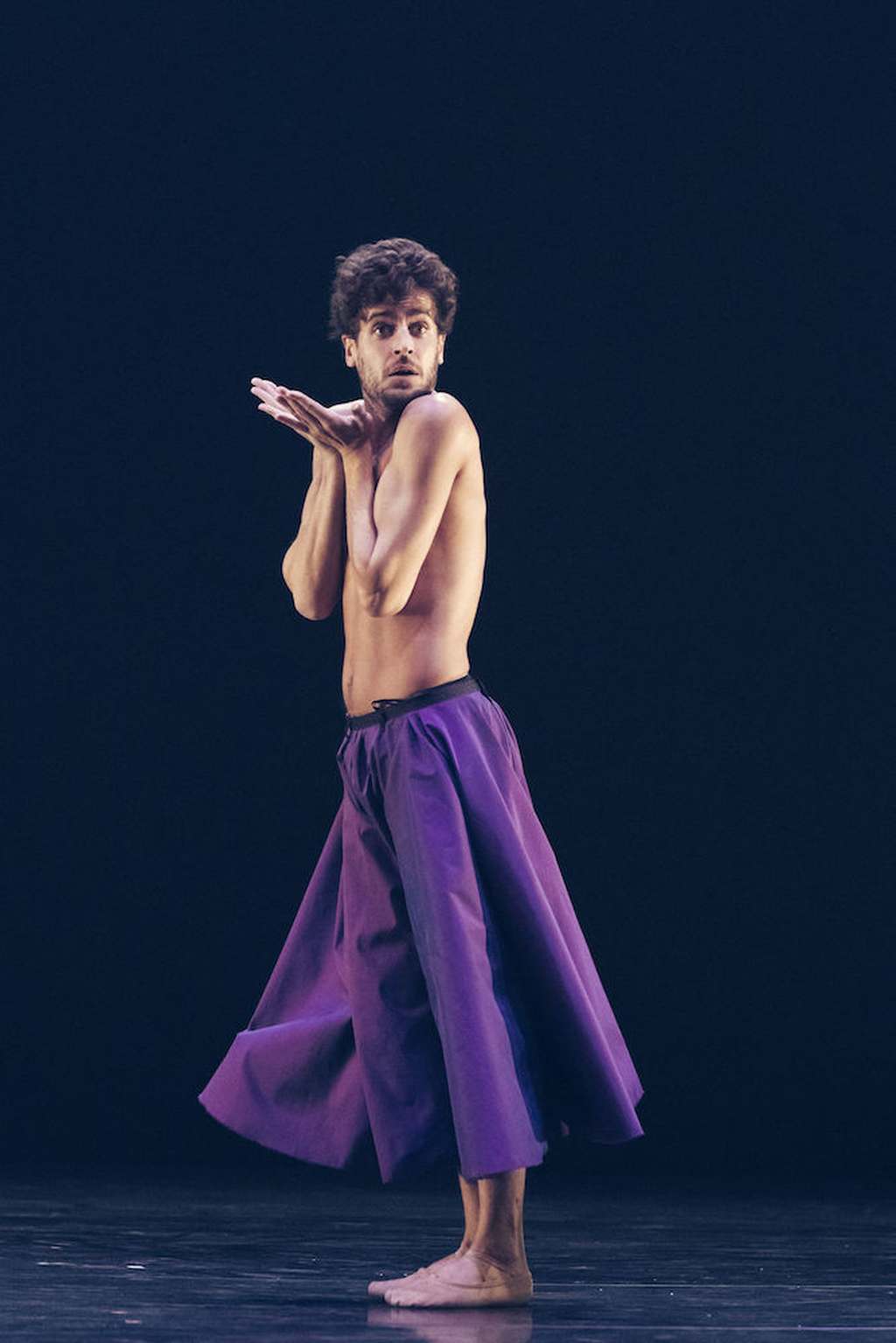
Juliet Burnett is one of Australia's most renowned dancers. Since 2016 she has been dancing for Ballet Vlaanderen. She created this solo for the young Victor Polster, the young star from the award-winning Belgian film 'Girl'. This choreography is one big contemplation, both literally and figuratively. Polster wears a reflective silver suit and mirrors are placed everywhere. Choreographer and dancer move in the borderland between the personal, external, the format and the social context. Two cultures question each other. Burnett weaves observations and memories together but fails to keep them on the leash of a narrative. At times somewhat clumsy, drawn-out and fragmented. It lacks dynamism. Polster is a beautiful physical presence. Please let that young man dance instead of losing himself in inner contemplation!
'Planetarium' Viktor Banka
Viktor Banka is not making his debut. With his choreography 'Sans Titre' he won first prize at the International Choreographer Competition Bytom in 2006. He works regularly as choreographer for the Polish National Ballet. With 'Planetarium' he aims high. Art shares with sciences the responsibility and the power to confront us with new perspectives. With the curtain closed, the public is first welcomed on board an airplane/rocket. The stewardess goes through all safety regulations. As the engines roar deafeningly, the curtain opens. You find yourself as an audience in a disturbing metaphysical fable. Viktor Branka is the critical guide. The infinity of the planetarium is projected on the backdrop. Shades of gray and black predominate. There is much speaking, reminiscent of W. Forsyth's productions. Human knowledge, or rather the lack of it, the unwillingness to see what goes wrong in the environment and its consequences are addressed. Strength, musicality (Johann Johannson) and relevance are presented in an elegant dance manner. He works very carefully towards a climax. At the end, the dancers release all their demons and energy. Through the stroboscopic effect, the imagery 'dancing on the volcano' comes to mind.
All the choreographies together leave a strong impression and are a beautiful tribute to the rich history of 50 years of Ballet Vlaanderen.
- WHAT: CHOREOLAB#14
- WHO: Ballet Vlaanderen
- WHERE & WHEN: 19 December 2020, 't Eilandje
- PHOTOS: © Ballet Vlaanderen
[embed]https://youtu.be/PEBoEgPNySk[/embed]