As season finale, Opera Ballet Vlaanderen chose Leoš Janáček's tragic Jenůfa (1904): a narrative about humanity and desire. This is a composition that, after 120 years, still touches contemporary chords. Under the direction of conductor Alejo Pérez, and with direction by Robert Carsen, OBV brings us a haunting, raw confrontation.
Jenůfa: a plaything of fate(?)
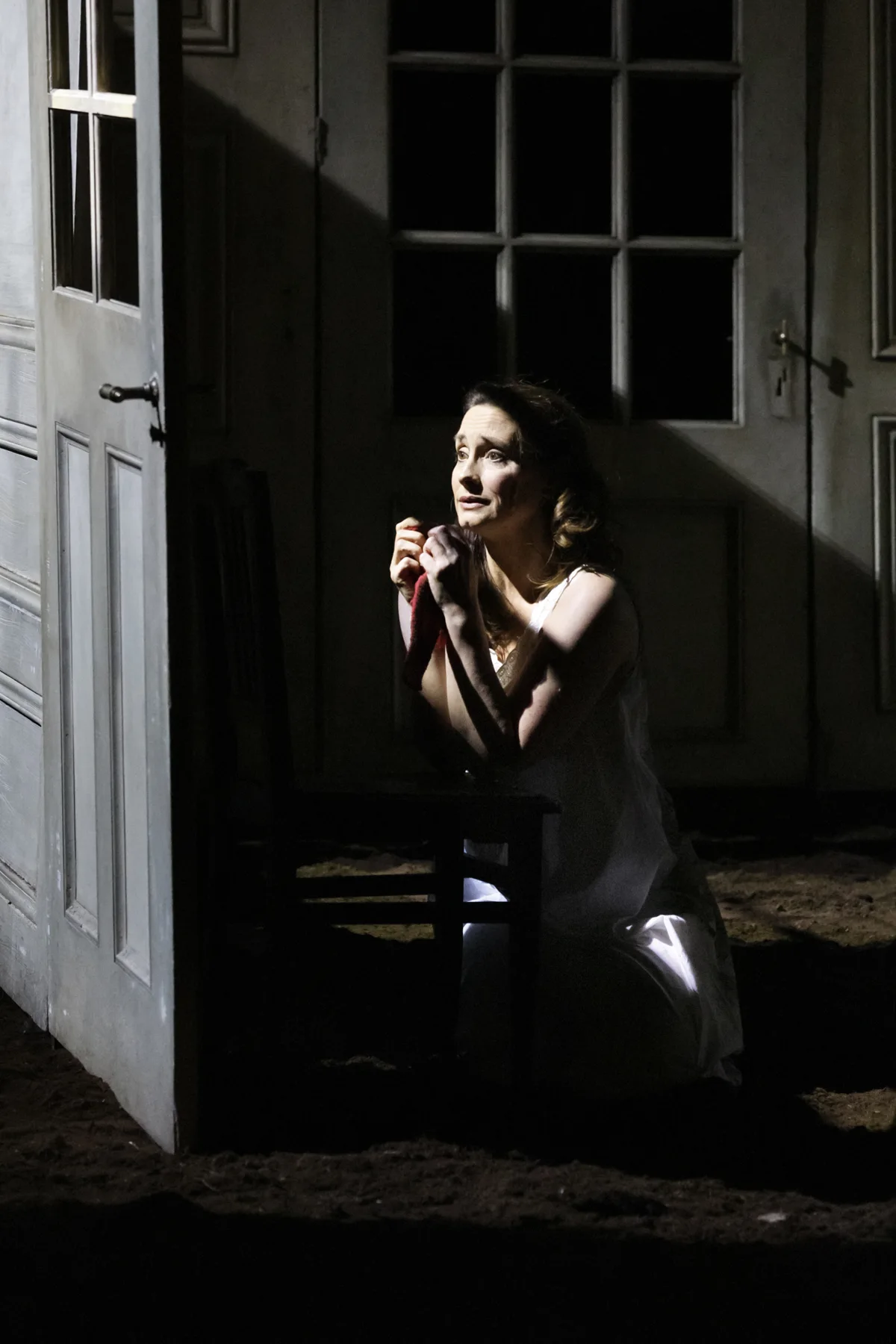
The strength of Janáček's naturalistic opera Jenůfa lies in its realistic core. It takes place in the late nineteenth century, but it could just as easily happen today. A girl (Jenůfa, soprano Agneta Eichenholz) is central to a story about jealousy, possessiveness and moral purity. She is in love with the playboy of her village Števa (tenor Ladislav Elgr). Much to the annoyance of his half-brother Laca (tenor James McCorkle), who ultimately disfigures her for this (!). After that, Števa simply abandons her. But alas, Jenůfa turns out to be pregnant, something he was aware of. The girl is emotionally pulled and dragged. She has no agency in this story, but is a plot device for the other players.
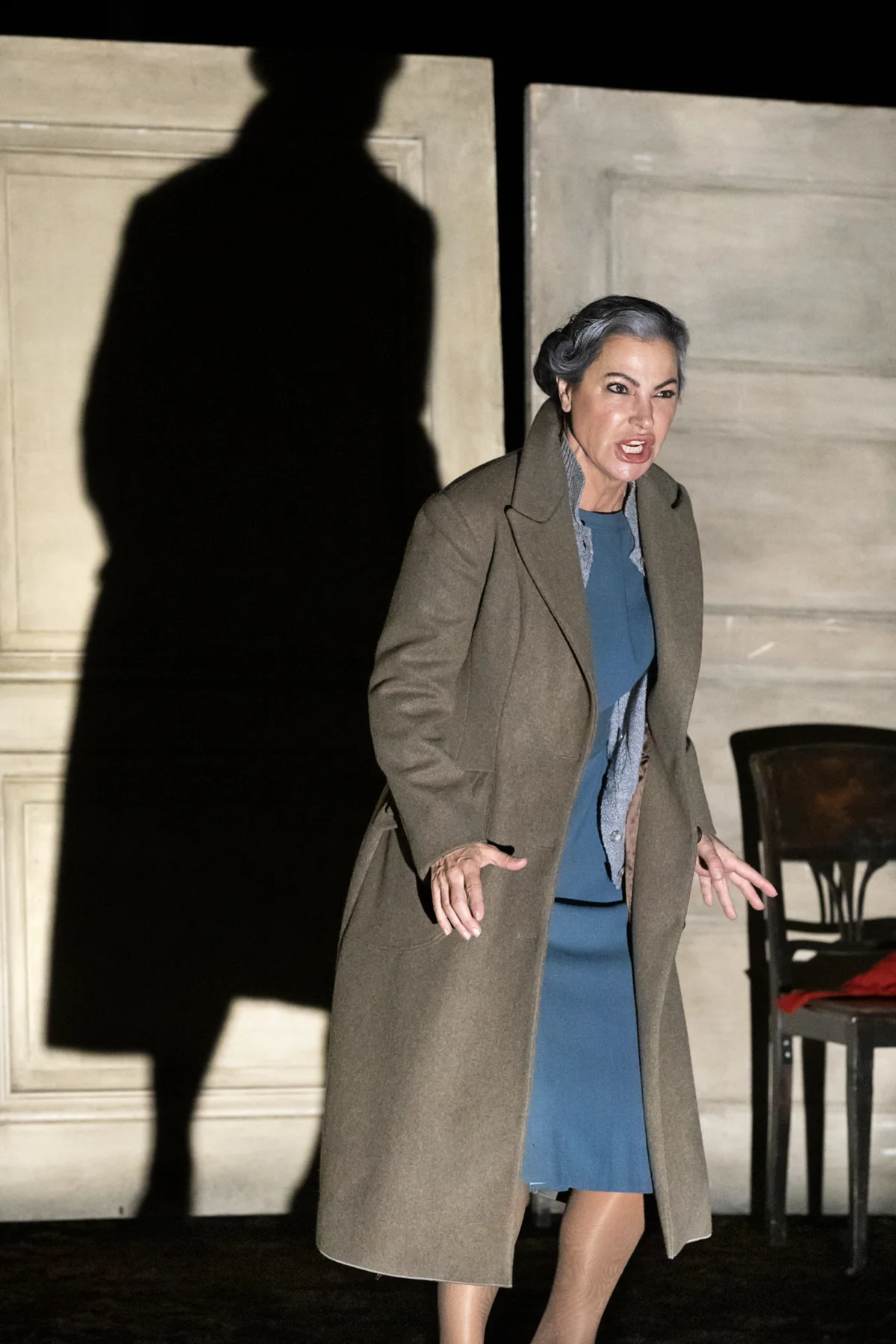
The actual tragedy comes from the side of Jenůfa's stepmother, the Kosteres (mezzo-soprano Natascha Petrinsky). She faces terrible ideas and choices throughout the opera. It begins with her warning to Jenůfa about Števa's true nature, continues with the pregnancy, and ultimately what the (unwanted) child actually faces. As a sexton, she also has a religious connotation. Jenůfa is the definition of a victim of others' fate, but the Kosteres? She is the central anti-hero plagued by her choices, and the fate of her stepdaughter. And Laca, who disfigured Jenůfa? He eventually marries the girl, is simply forgiven... as if it was nothing.
But, is such forgiveness realistic? Or does it give us an idea of how human psychology has always been strongly guided by social constructs, such as patriarchy, religion and herd behavior? Actually, Jenůfa as a story, anno 2024, is an excellent choice by OBV to make us think. What is still reality for us – such as abuse, exploitation and manipulation – and what have we finally left behind. Do we now have more choice in our own fate, as opposed to the wretched Jenůfa, or not yet?
The earthly reality
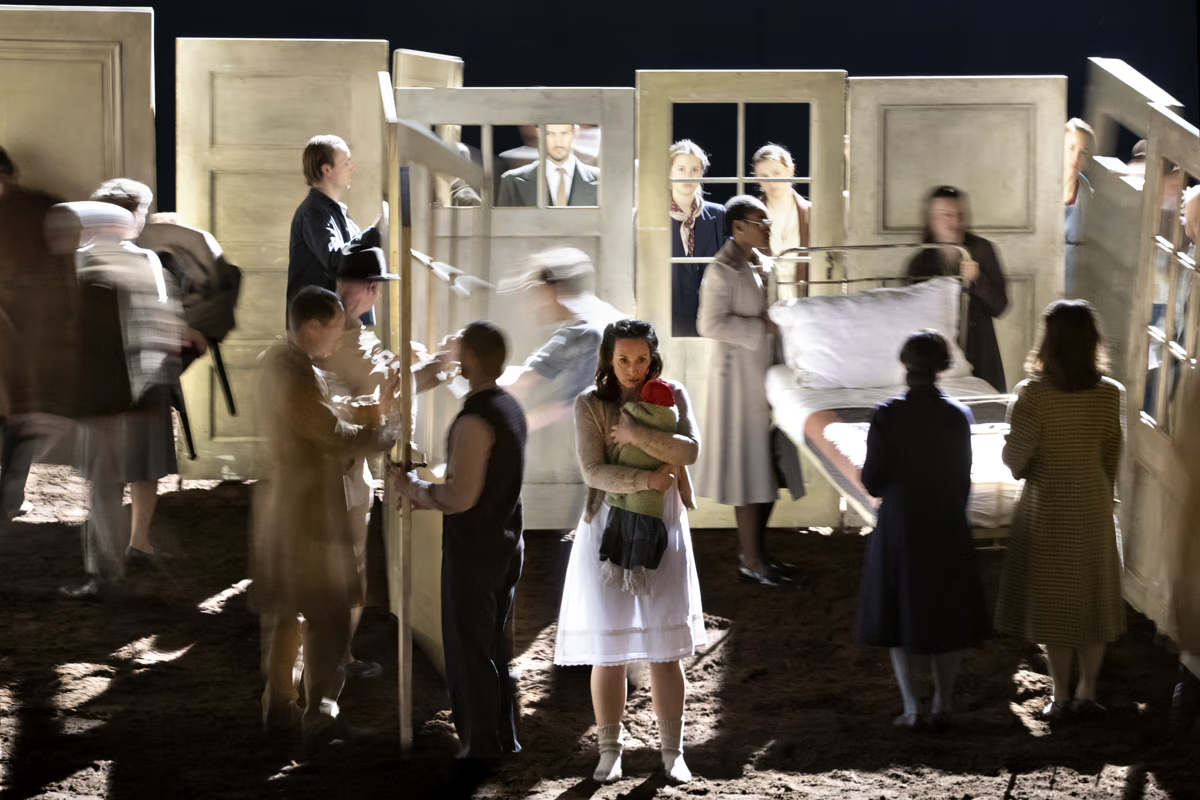
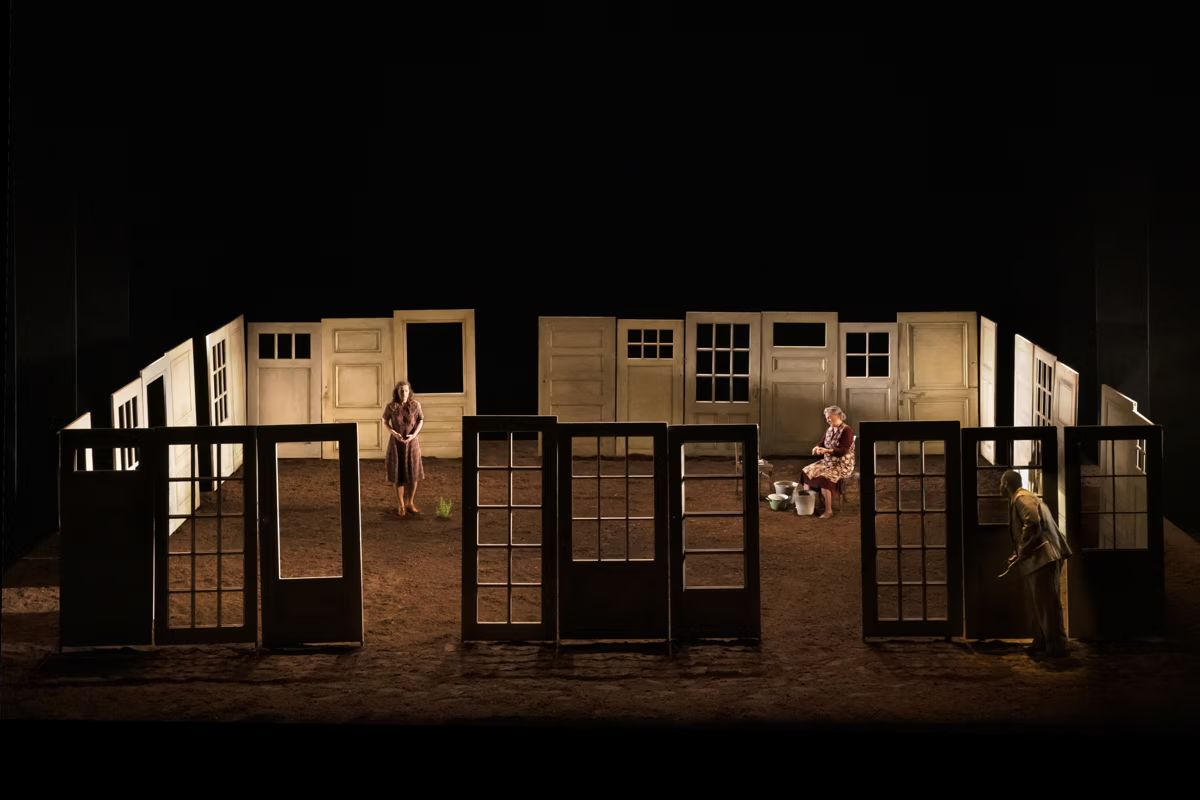
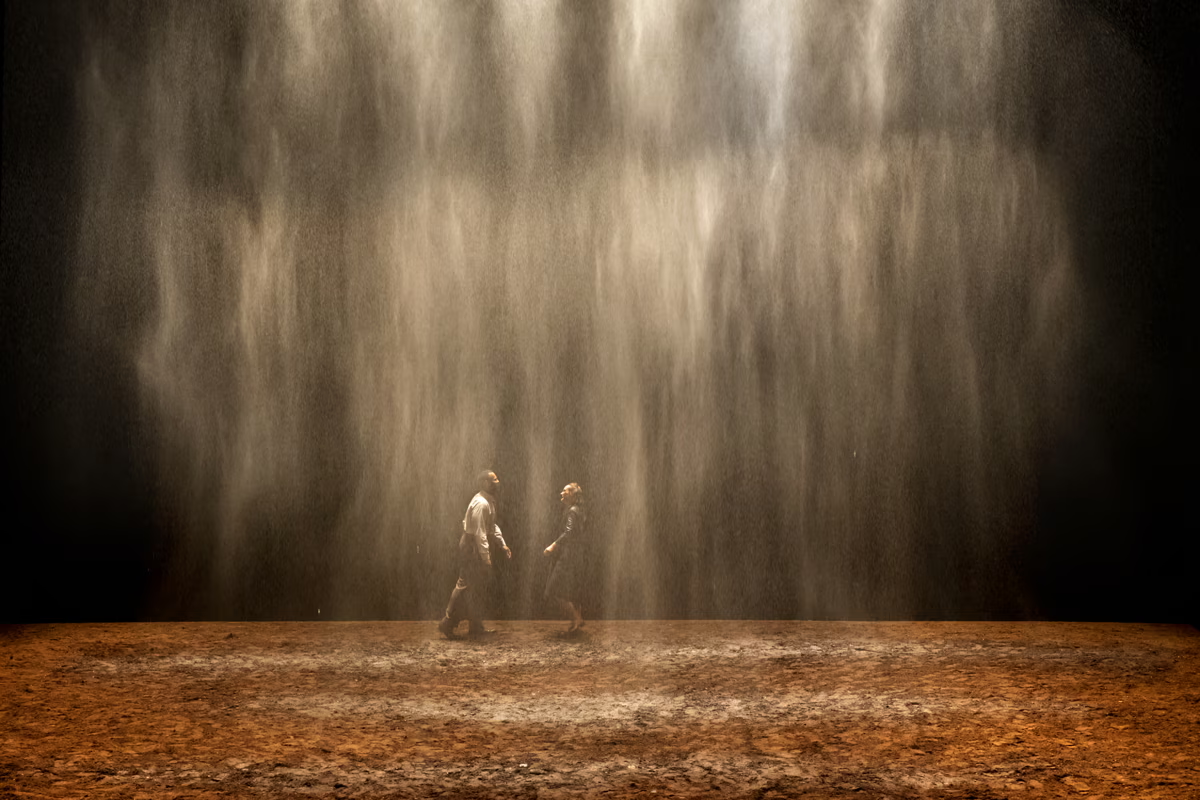
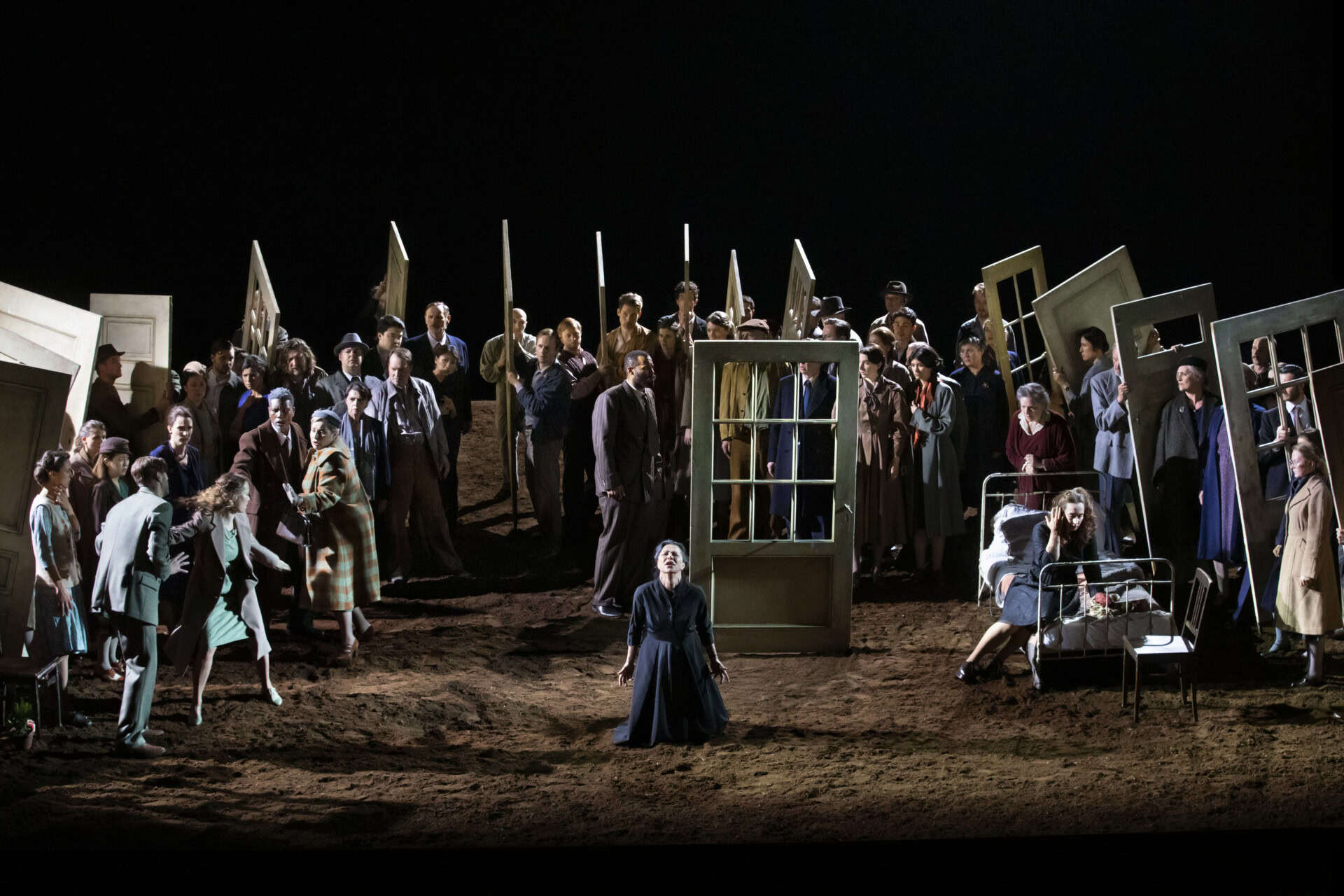
The direction and set design placed the audience in an almost voyeuristic role. The movable (door) walls created an illusion of outsiders peering in. This while the drama unfolded. Drama that the Kosteres would have preferred to keep behind the walls. The use of earth brought us back to how this is ultimately a rural scene. This in musical symbiosis with Janáček's use of Moravian folk motifs. The lighting, and the costumes, at Carsen give us more often the feeling of suddenly ending up in a Golden Age Hollywood drama.
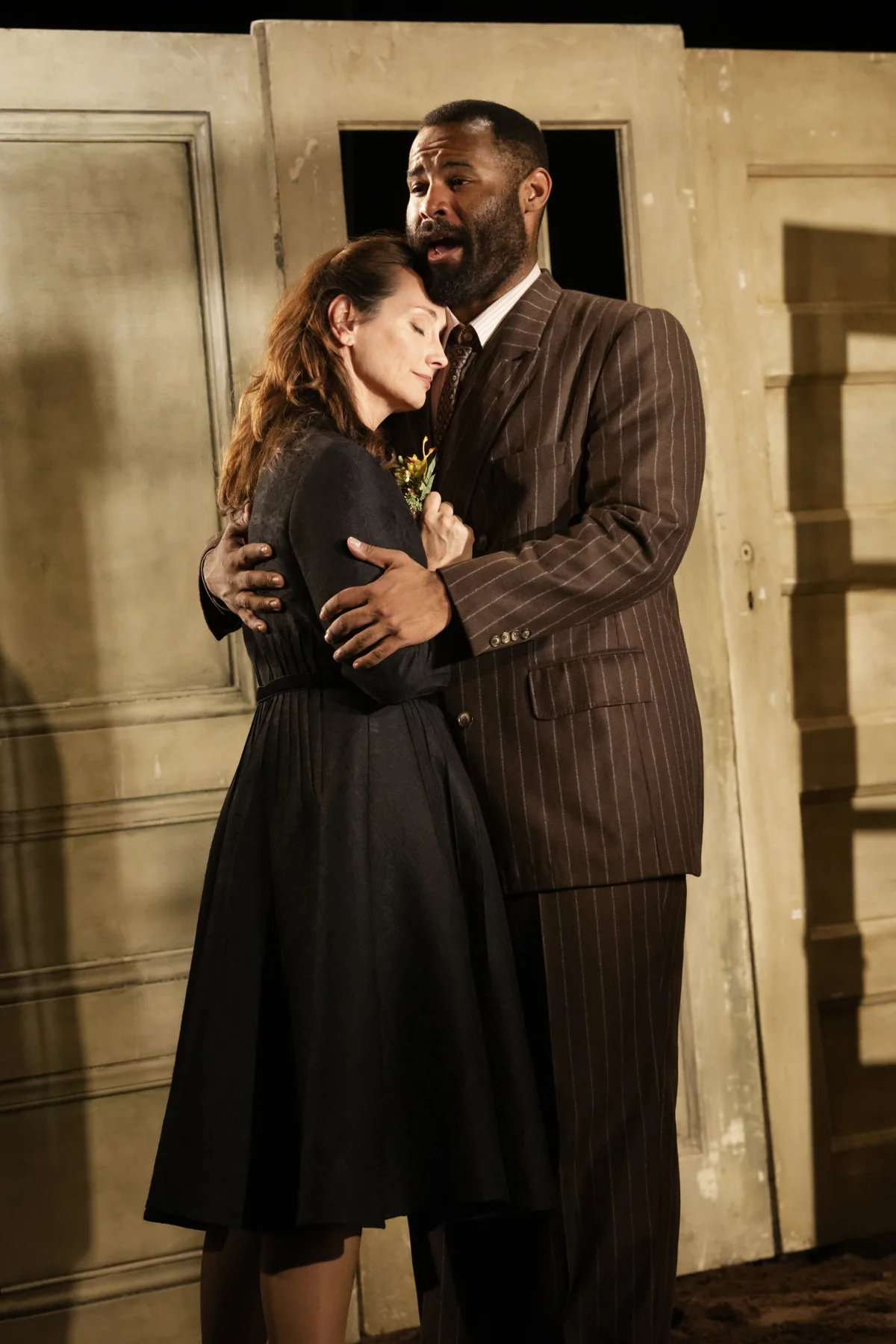
But, beyond the stage itself, who stands on the stage is even more important: the cast. Petrinsky as the Kosteres, in a role that required both pure vocal tones and veristic screaming – sometimes shortly after each other – has made this role her own. What could possibly have become a caricature was a play of emotions. I do not say too much in this review about what she (the Kosteres) actually did; this is because you as an audience must simply hear and see it yourself. It is emotionally gripping.
McCorkle, as Laca, was strangely sympathetic. In such a way that you empathized with the happiness of a possessive and violent man. His full vocal tone – which naturally contains a kind of creamy vocality (so to speak) – maintained this dichotomy. Now, ultimately these are just two names from an excellent, and balanced, ensemble. Everyone, from Eichenholz and Elgar to soprano Karen Vermeiren – a playful surprise as the Mayor's Wife – was at their best. Words fail me.
The end of the season brings us a haunting opera, and an excellent performance. Bringing Jenůfa to life, without losing too much of the realistic tragedy in the soap opera level, is not always easy. The OBV production has found and presented the right balance. Hopefully this is a promise for an equally strong coming season!