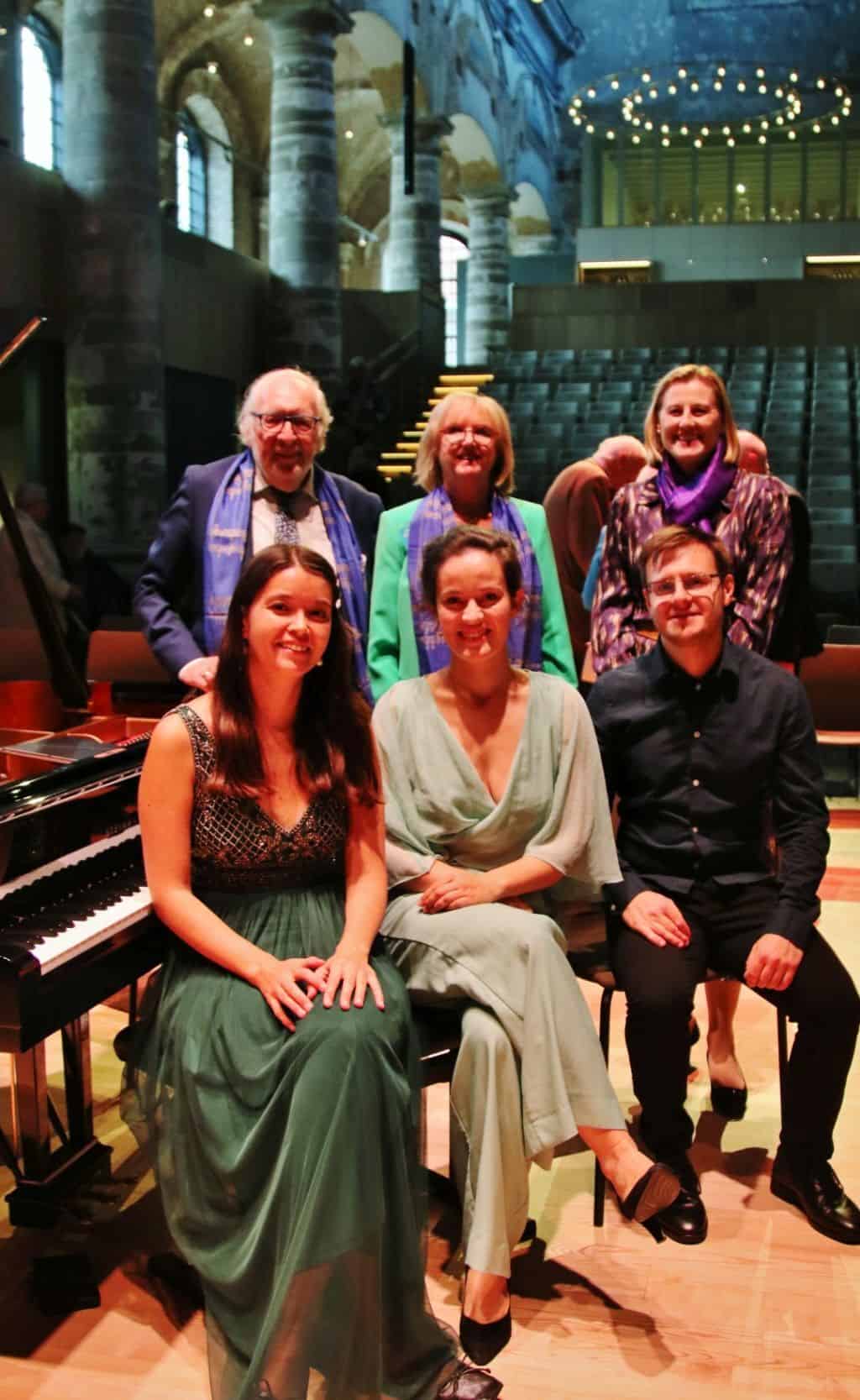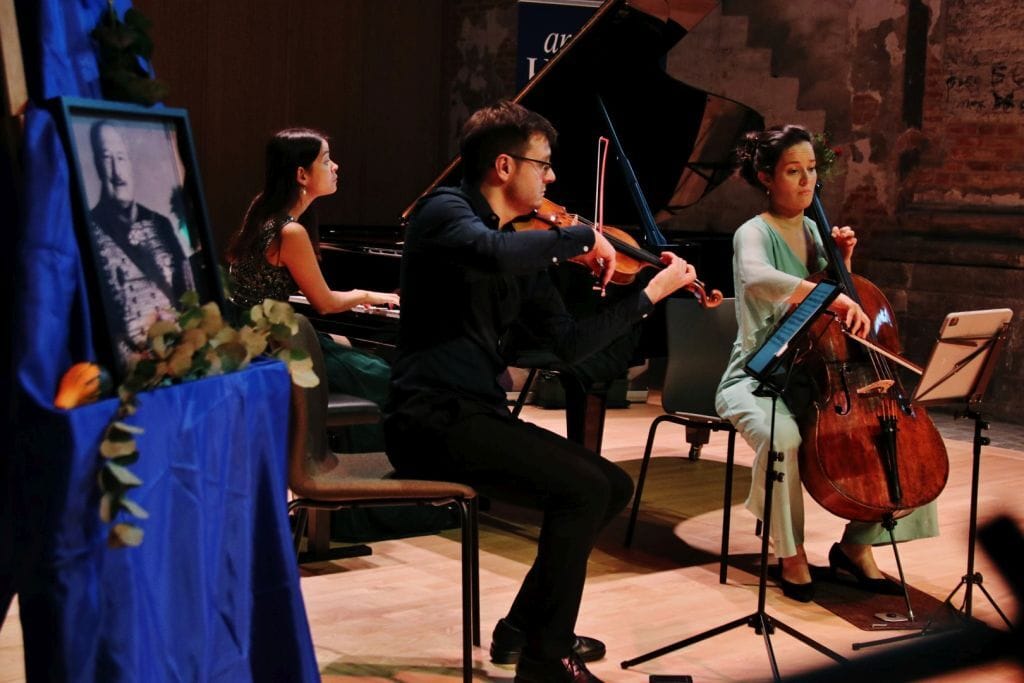
Sometimes sonorous, then again feather-light pearlescent piano, deeply felt counterpoint from the violin, an efficient cello... With these ingredients for a dreamed Piano Trio, Christina Scheicher, Clemens Böck and Anne Keckeis, together the Accio Piano Trio Salzburg, compelled a full Predikherenkerk to listen attentively and applaud gratefully. Sometimes a timid round of applause could not wait for the end of a piece. But what do you expect? In BOZAR and with the Elisabeth Competition the audience is afflicted with the same condition.
The Accio's did not perform all equally accessible music
It began with a 'Sonatensatz' by a 15-year-old Franz Schubert (1797-1828). 'Die Forelle', 'Der Tod und das Mádchen', 'Rosamunde', we hear these more than we would like. But this delightful ALLEGRO of barely ten minutes from the Trio D.28 sounded unjustly unknown to many ears. A melody to melt away to set the tone for works from the time of Mozart and Haydn. And this young Trio respected that spirit of the times exemplarily. They simply come from Salzburg, where they graduated from the Mozarteum Universität.
Support from the Jehudi Menuhin Foundation -Live Music Now-, a first performance at the Wiener Konzerthaus, performances in Palais Mirabell and a debut concert at the Mozarteum with the famous singer-presenter Rolando Villain, a selection to represent Austria as a cultural ambassador worldwide... you have to earn that!
Mozart was also on the program, albeit with Klaviertrio KV 442, a patchwork of three unfinished manuscripts that widow Konstanze wanted to turn into money and which, however charming, despite the skill of Abbé Maximilian Stadler, do not have the impact of what we are used to from Mozart.
From Austria it went to Czechia, from the 18th to the 19th century
The first of the five 'Bergerettes' by Bohuslav Martinů made immediately clear that Martinů had outgrown Romanticism: beneath halting rhythms, challenging dissonances and hellish pace lay a poetry that is unique to Czech folk music and which only manifested itself in the languorous melody of the middle section. This contrast the Trio brought out beautifully.
The cherry on the cake was the so popular 'Dumky Trio' by Dvořák: half an hour of accumulated emotions. And these can be expressed in many ways. While the current music lover is increasingly confronted with blazing Romantic versions, the Accio's chose a sober, restrained approach. Thus they remained true to the essence of a 'duma': a melancholic folk ballad and they stayed far from the exuberance of Hungarian Dances and from the overwhelming joie de vivre of a composer at the height of his career.
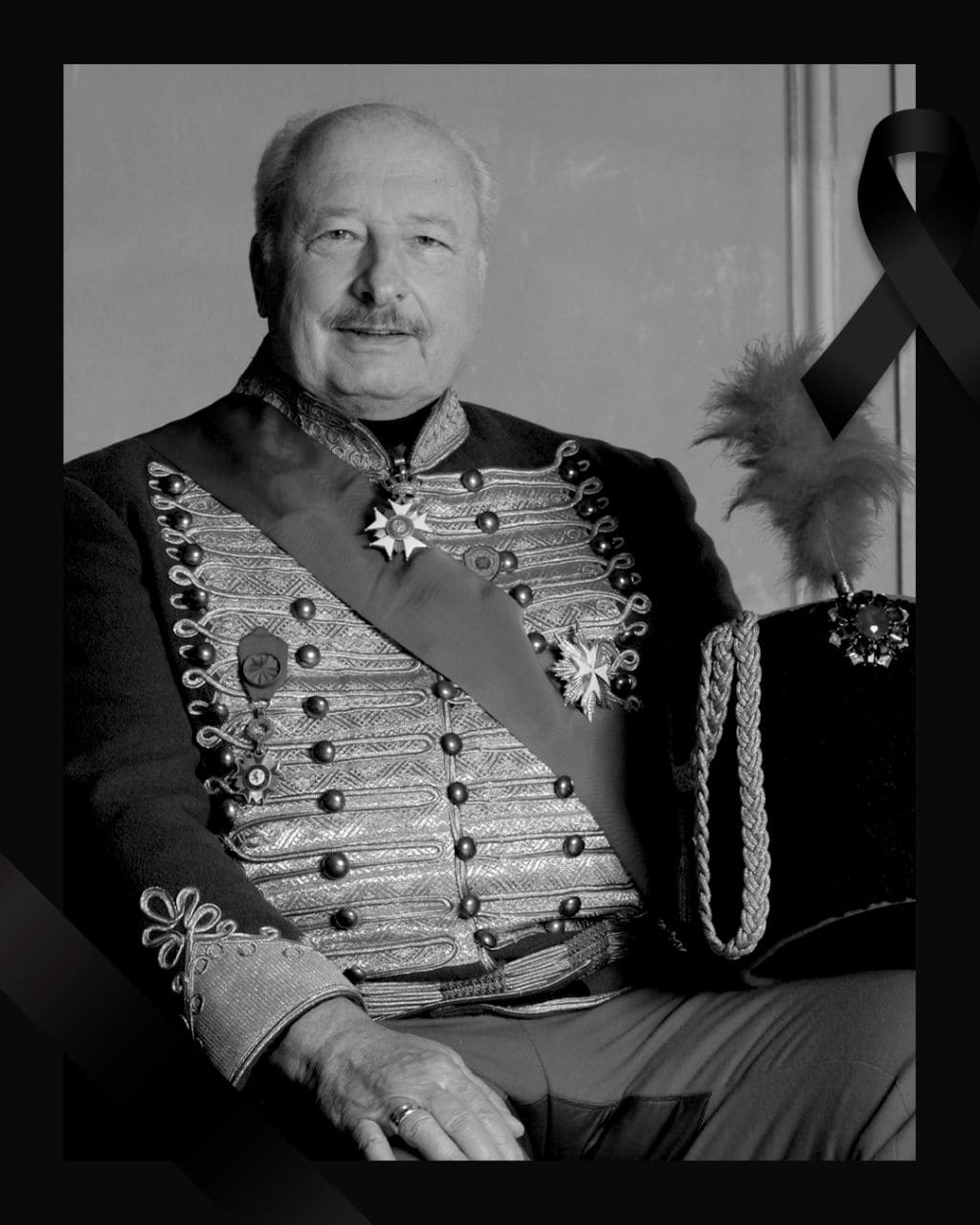
This restraint was perfectly suited to the tribute that Alfons Deleus paid to Prince Anton II Esterházy de Galántha, the 13th heir in direct line of the Hungarian magnate family that was patron to Haydn, Mozart and Beethoven. Where the benevolent Prince as mentor, moral pillar and good friend of the organizers Alfons Deleus and Marie-Jeanne Lambrechts attended concerts with interest almost every year, one now had to be content with his photograph, as he passed away, almost 89 years old, at the end of September after a prolonged illness.