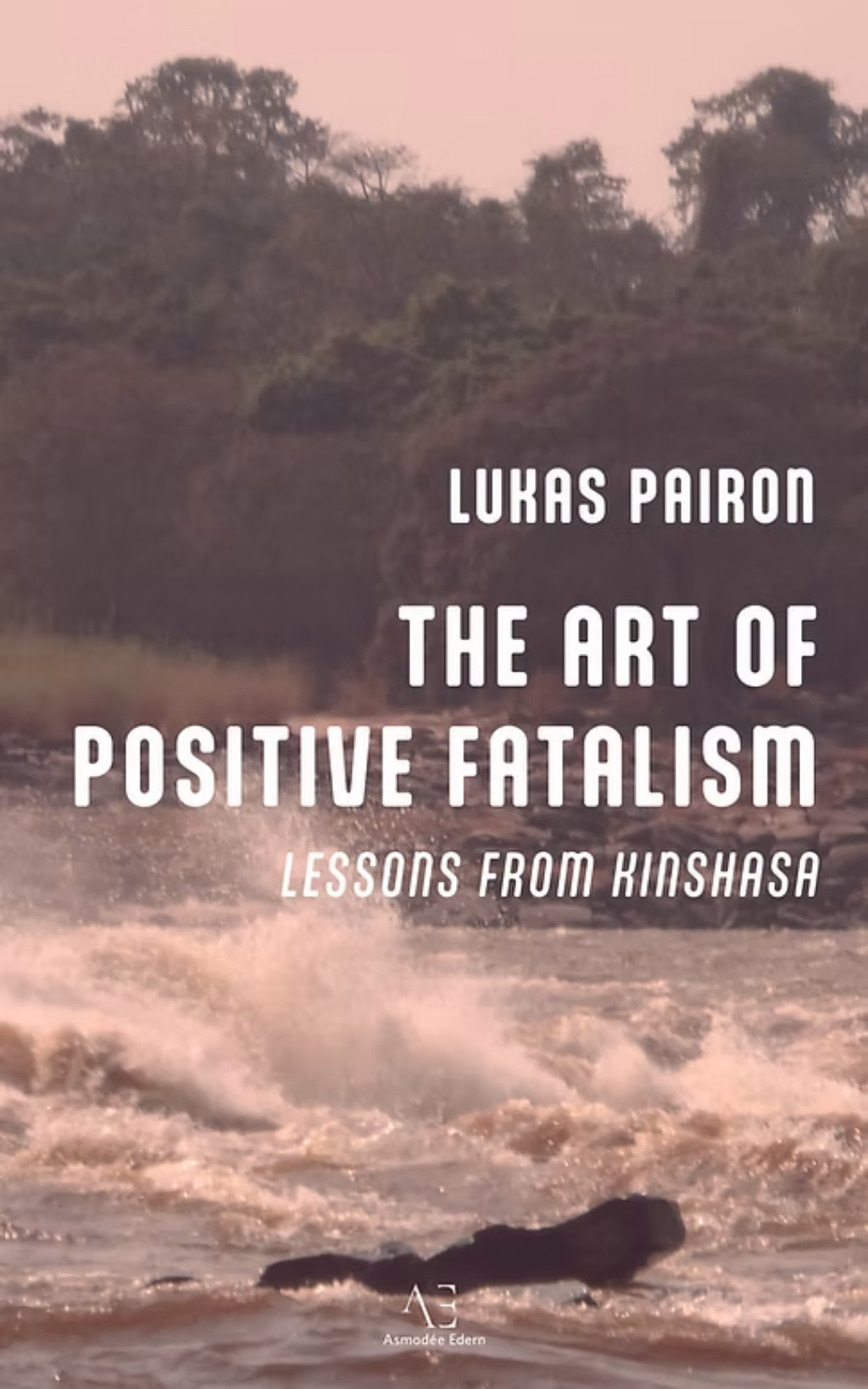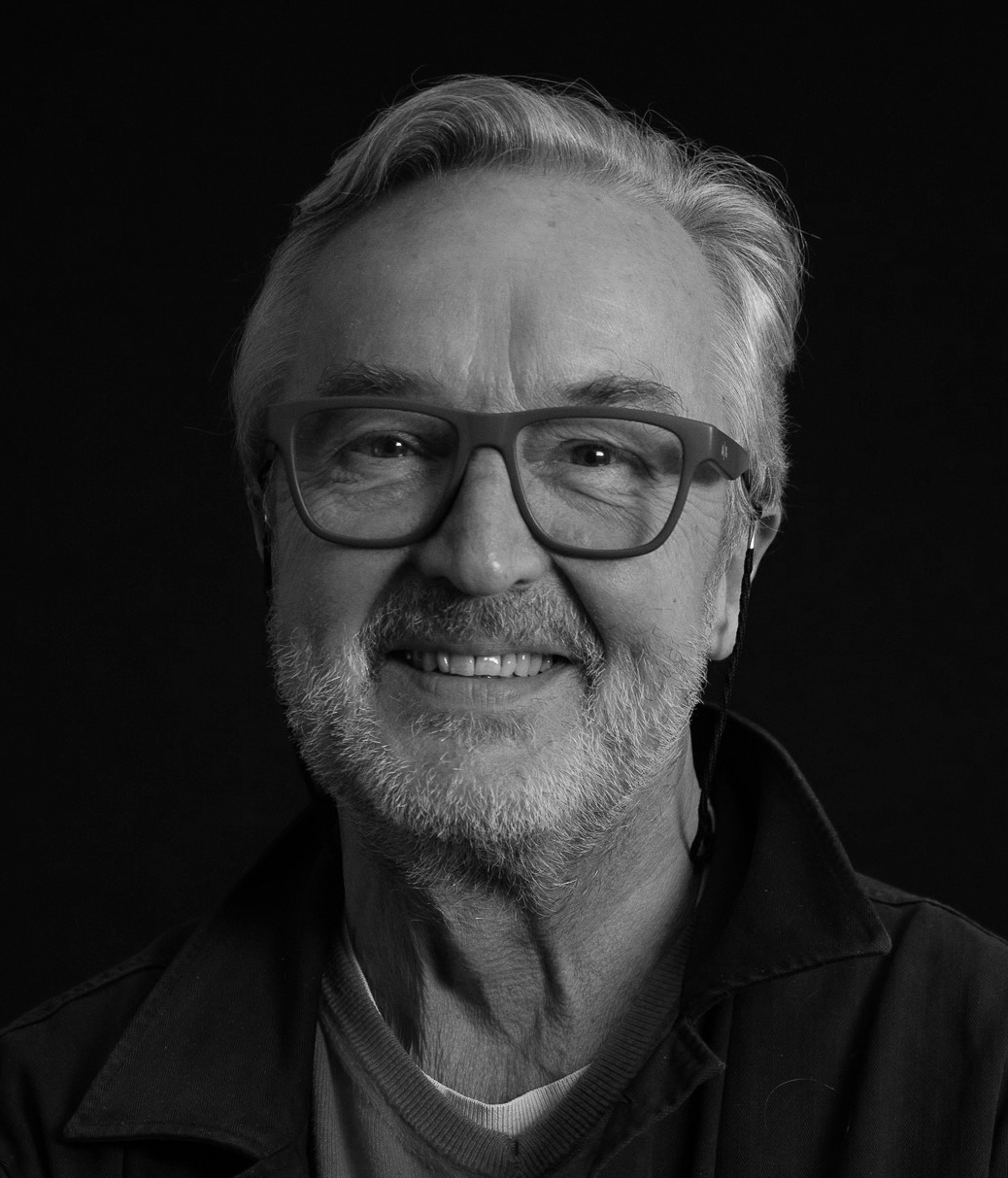
From a deeply felt musical experience, music educator and philosopher Lukas Pairon promotes a new attitude to life. The summary is captured in the title of his new book, written in English and translated into French: The Art of Positive Fatalism / L'art du fatalisme positif.
A few years ago the author published Music saved them, they say. It was his doctorate from Ghent University. It was an impressive account of his musicological and anthropological fieldwork that he conducted among young people in Kinshasa who, by making music together, managed to "save" themselves from their precarious social situation of poverty and violence in which they had found themselves. It involved participatory research with a brass band and a traditional Congolese drum band. During this social music project they came to know themselves better and, despite limited opportunities, took control of their own hands again to reorganize their lives.
Now Pairon goes a step further and mines, as a philosopher, what moved him most in that descriptive research in Kinshasa. He came to know first-hand the driving and lasting strength of those young people to survive positively, their art of experiencing fatalism positively. This does not mean simply submitting to your fate and accepting it, but neither does it mean displaying boundless optimism.
You understand it completely when you read the anecdote with which the book opens. The author is stuck in an immense traffic jam in central Kinshasa, after a cloudburst. He watches, listens and experiences what is happening around him. He sees overloaded cars, minibuses bursting with people, motorcycles with three passengers, struggling pedestrians, all moving at a snail's pace. And what else does he see: people making jokes, commenting, laughing, occasionally shouting, but there is no anger to be found. That's how it goes there. Everything with a certain calm in the midst of that "blocked reality", people with little room to manoeuvre, forced to accept limits to their freedom of action. It is these lessons from Kinshasa that have led him to develop the concept of "positive fatalism".
It is that same positive fatalism that he experienced in his earlier "participatory fieldwork" during those social music projects. Building on this philosophical reflection, he develops these experiences: how people, together and in solidarity, can achieve much even when their means are limited.
With fervor he describes in seven short chapters this life lesson and ultimately also his attitude to life and philosophy. First and foremost, of course, from his first ethnographic work, those social music projects with the young people in Kinshasa, where music and poverty are overwhelmingly present. For those experiences form the basis of his conceptual thinking. His theory is rooted in the context of that daily life that he himself experienced during two periods. At the same time he draws a heartbreaking but also almost poetic portrait of that city, where you don't need money to sing, a plastic bucket is enough as a percussion instrument and where you can survive the intolerable with humour. Of course he also tells, with affection, about the musicians and their music groups that he met there, then as teenagers, now as young adults, some truly successful as artists, others who dropped out. Their lives revolve around making compromises, improvising, managing shortages. Music gave them visibility and dignity. All to be read in truly moving portraits of, among others, percussionist Claudel from the ensemble Beta Mbonda, once a "petty criminal", about trumpeter Nathalie, saxophonist Mando and the former "witch child" now bassist Esther …
It is precisely these stories and experiences that urge Pairon to give that way of life a name, to designate that attitude to life, to draw a lesson from that precarious life situation, even to develop a philosophy: their music teaches them to adopt a specific 'Sitz im Leben", to accept uncertainties but without falling into passivity. That music gives them enough strength to rediscover themselves in their relationships with others and their world. Even if "today" is no guarantee for "tomorrow", it is about "the art of positive fatalism". Pairon's own experiences in Gaza also play a role in that concept. It is not about accepting so much injustice, but about remaining dignified and being able to live in those circumstances, even if the future turns out to be "only" a compromise.
Gradually he describes his philosophical-anthropological theory and also finds like-minded souls. He refers to a similar disposition in the work of, among others, Erich Fromm, Hannah Arendt, Hans Achterhuis, Paolo Freire and others. They too accept limits to reality but certainly do not give up all possibilities. They plead for acting without the illusion of being able to control everything, they embrace life in the now. That is what they do in Kinshasa and above all: they continue. Pairon likes to call it: "habiter le présent" and it is precisely that which gives them a future.
What that daily life looks like in Kinshasa, what the practice of that positive fatalism is, he then tries to capture in a few remarkably striking paragraphs. About living with a limited horizon, about resourceful improvisation, about small solidarity and discreet help, yet being able to save in precarious circumstances, about living with dignity amidst waste, about faith and religion (omnipresent), about forgiveness and especially about living with uncertainty.
The book confronts the Westerner with a culture of living that must seem foreign to him, but wants to acquaint us with it. The great merit of Lukas Pairon is to pour that culture into a wise life philosophy, into a "positive fatalism". His approach occasionally evokes concepts such as Lévinas' "la petite bonté" or the books of Dirk Dewachter, certainly his latest with the title 'Wachten', or even the Stoics. But Pairon always emphasizes that it is not about a life without resistance, accepting the facts; passivity is not an option. In an afterword, he even lets the critical voice of Congolese philosopher Philémon Mukendi be heard, who will not hear of what he in turn calls a "paralyzing fatalism", reproaching his countrymen for accepting too easily what their rulers do to them.
Pairon draws more than just lessons from his Congolese anthropological and ethnographic adventure. The omnipresence of music and poverty and how it is dealt with in Kinshasa have guided him step by step toward that original and remarkable concept of "positive fatalism". Remember from this book that this should not be a "contradictio in terminis", for some even a necessary art of living.