

piano
Yang Yang Cai
- Catalogue number
- 198
Liszt's Trois Études de Concert S 144 (Trois caprices poétiques in the 2nd edition) date from 1848. The origin of the individual titles (Lamento, La Leggierezza, Sospiro), which were added later, is somewhat a mystery, but they have proved universally popular, and there are indications that Liszt himself was satisfied with them. Liszt was only twenty-two years old when he composed the three movements. These innovative, surprisingly forward-looking pieces belong to the most important of his early works, imbued with a different, floating and dreamlike spirit. Liszt composed his Six Grandes Études de Paganini in 1851.
He had first heard Paganini play in 1831 and was, like many other composers and performers, so captivated that he felt inspired to match his astounding technical mastery and expand the musical expression of his own instrument. No. 2 in E-flat major (Andantino capriccioso) is based on the seventeenth of Paganini's Caprices for solo violin, but Liszt superbly recreates this music in pianistic terms. The cheerful Valse Impromptu in A-flat major (ca. 1850) is Liszt at his most elegant and charming. Du Bist die Ruh' is one of the twelve Schubert songs that Liszt transcribed in 1838. Liszt writes here a decorative, broadly spun left-hand part, but retains the quiet, dignified mood of the song.
The extraordinarily demanding Transcendental Etudes date from 1851. Chasse-neige is the last Étude no. 12 in B-flat minor. Busoni described it as "perhaps the noblest example of poeticizing music ... a sublime and steady snowfall that gradually buries landscape and people".
Other releases
New
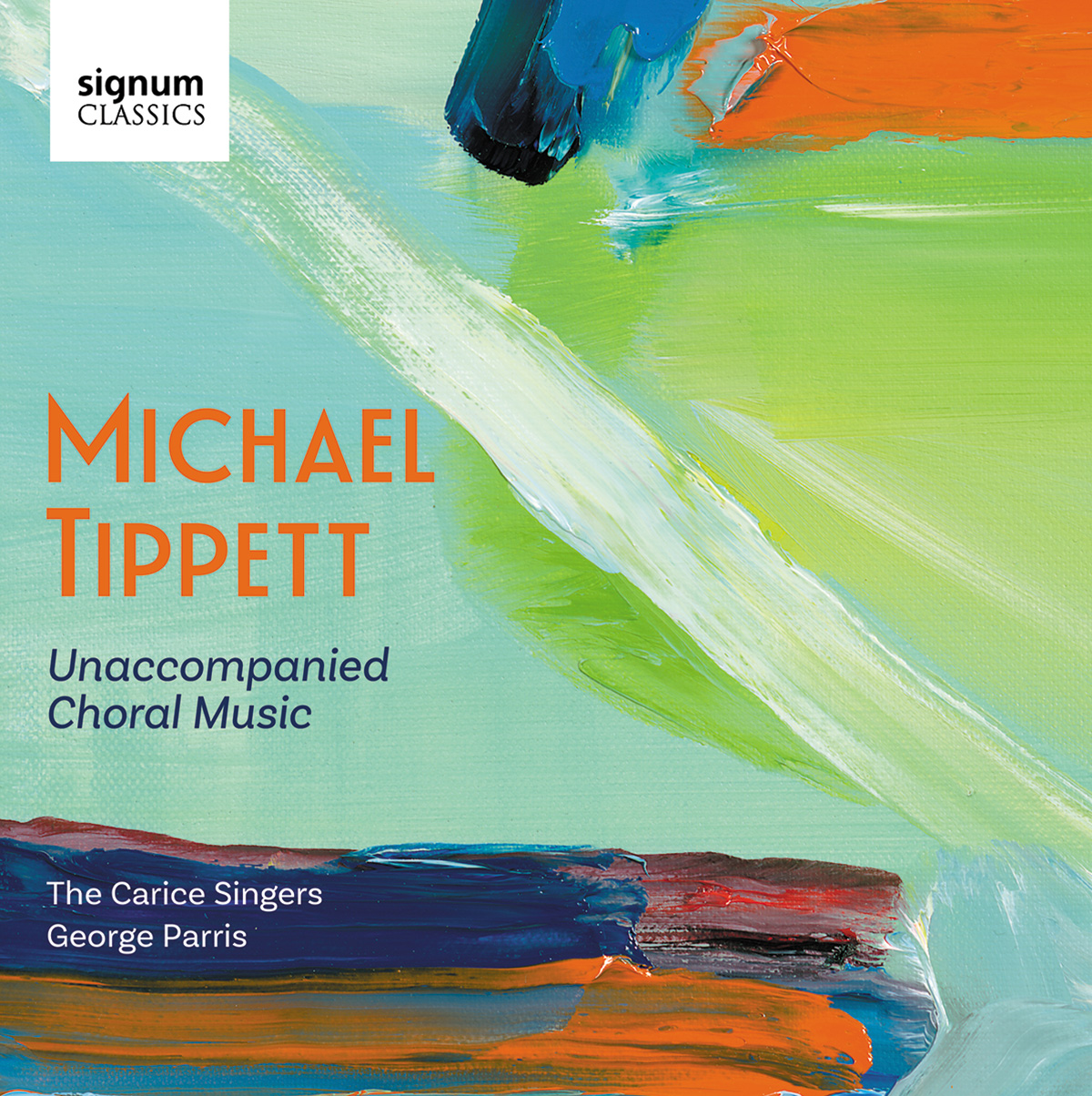
Michael Tippett Unaccompanied Choral Music
The Carice Singers
Signum Classics
·
2026
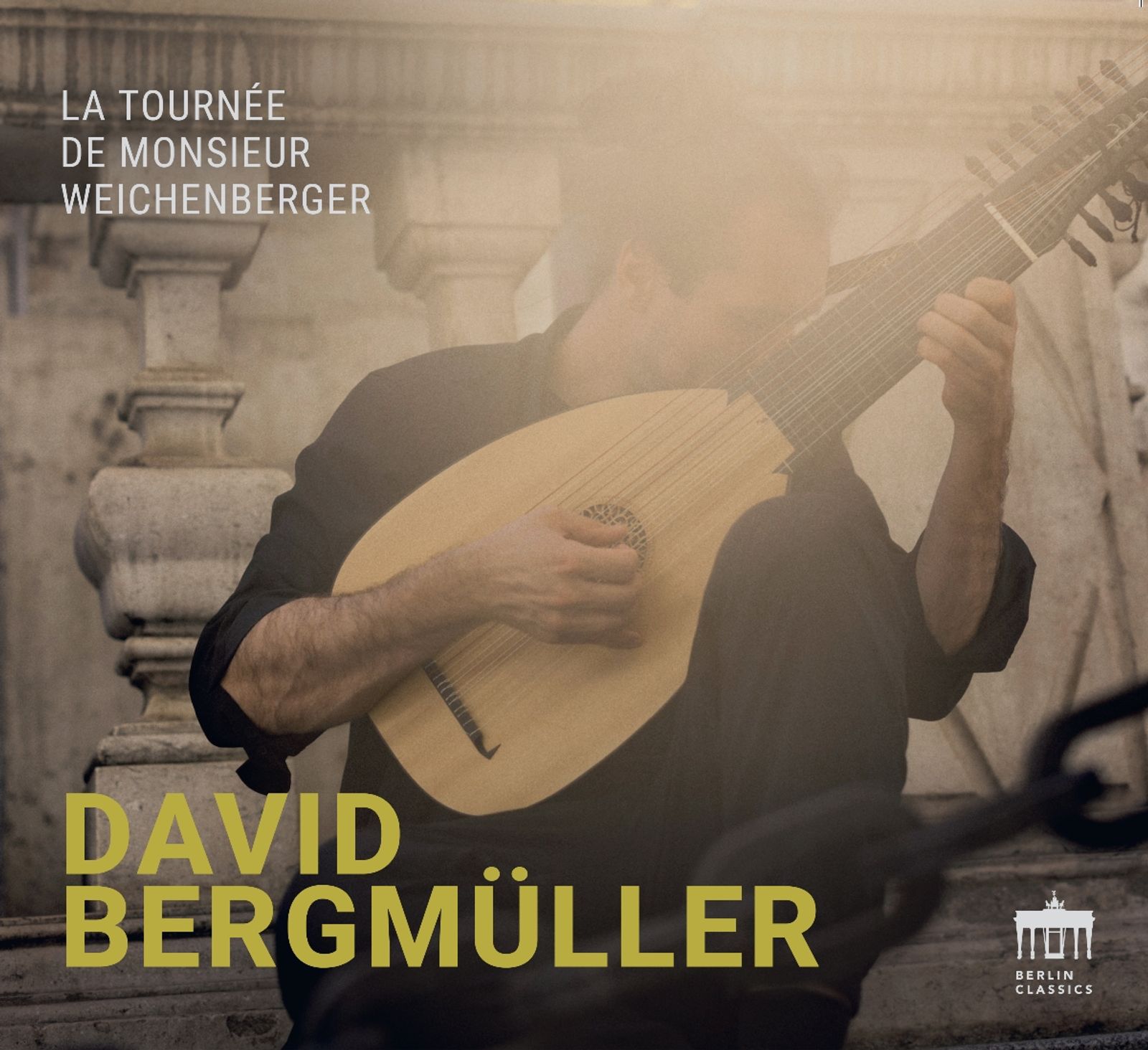
Johann Georg Weichenberger: Lautenwerke - "Le Tournee de Monsieur Weichenberger"
David Bergmüller, luit
Berlin Classics
·
2026
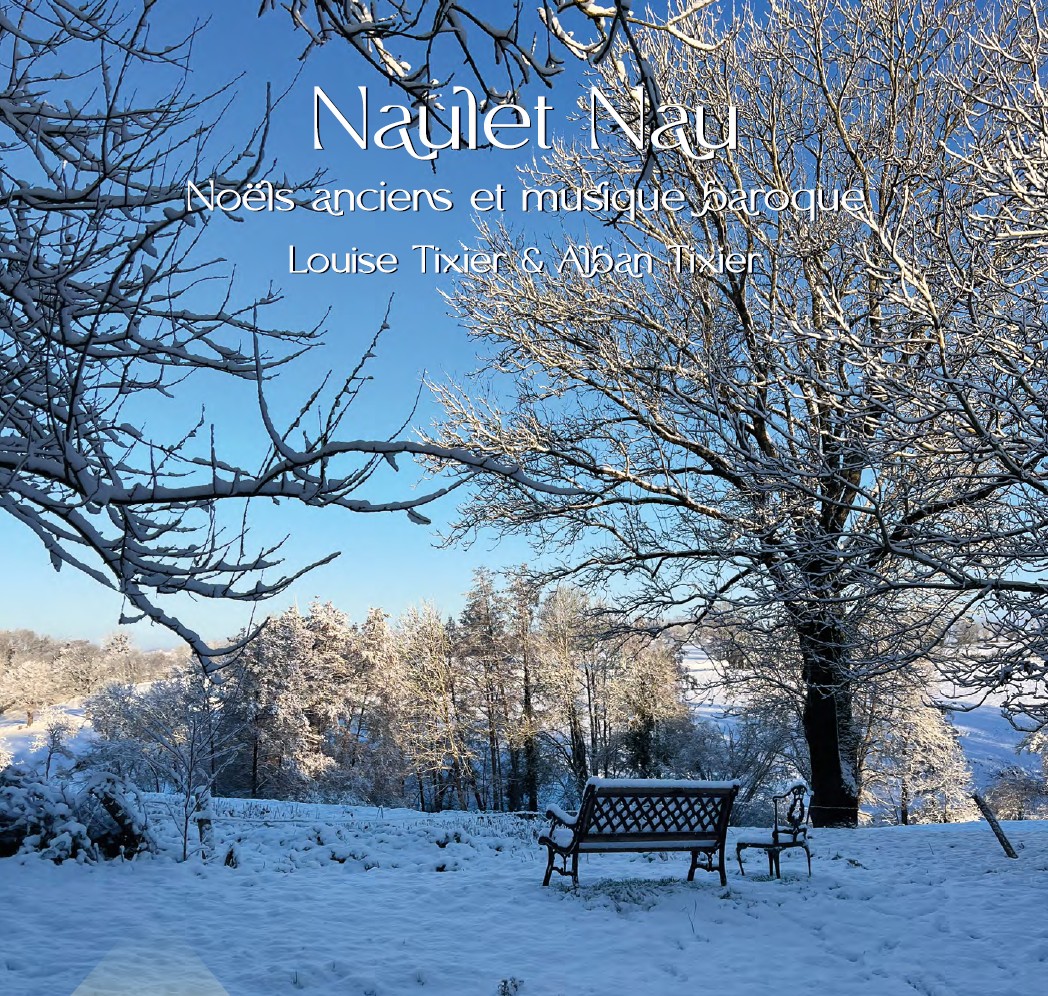
Naulet Nau
Louise Tixier, Alban Tixier
Diapason
·
2026
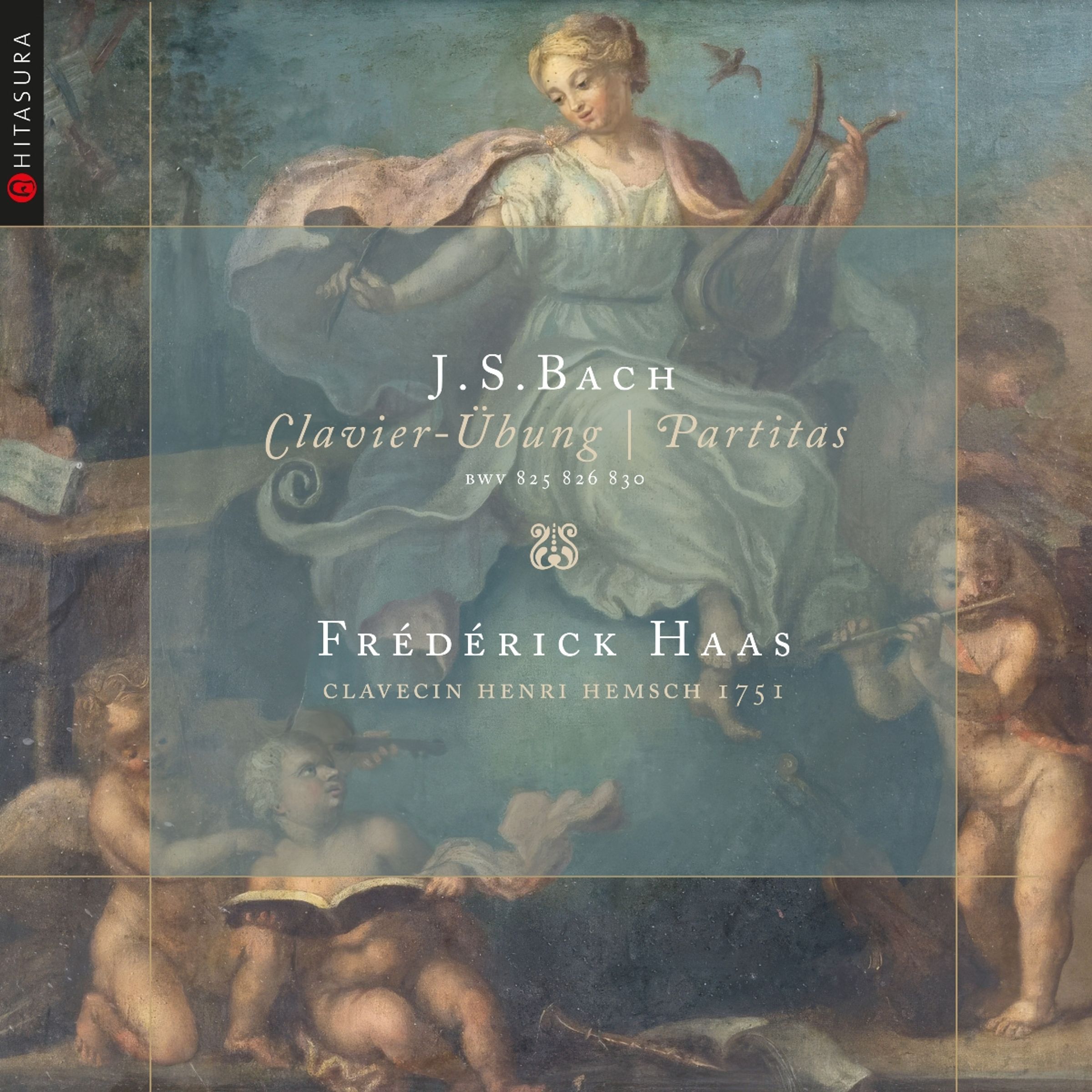
Fantasia per il cembalo
Frederick Haas
Hitasura
·
2026