

Dichterliebe Op. 48 / Lenau-Lieder und Requiem Op. 90 / Wesendonck Lieder
Christoph Prégardien / Michael Gees
- Label
- Challenge Classics
- Catalogusnummer
- CC 72788
- EAN / barcode
- 0608917278828
- Verschijningsdatum
- 5 september 2019
- Type
- Album
Meer info
Robert Schumann was the most confessional of composers. And many of the songs from his great Liederjahr of 1840 were in essence love songs to Clara Wieck. In them he could express overtly what had been merely implicit in his piano music: his fears and longing, his passion and devotion, his pain at their separation, his vision of sexual and spiritual fulfilment, and his recurrent fears of losing her. In Dichterliebe (‘Poet’s Love’) Op.48, he turns again to the pithy verses of Heinrich Heine’s Buch der Lieder. On one level, Dichterliebe can be heard as his most piercing recreation of the fluctuating emotions he had experienced during his long courtship of Clara. Characteristically of Schumann, it is the piano that controls the musical narrative in Dichterliebe. Characteristic, too, of Schumann’s 1840 songs is the piano postlude that encapsulates and deepens a song’s meaning. Dichterliebe takes this to the furthest extreme. Schumann’s late Lieder have too often been dismissed as the products of an increasingly tired, sick mind. True, they tend to be more elusive than the songs of 1840, with piano parts that are often self-effacing and/or tortuously chromatic. But there are more than enough fine songs among them to challenge the cliché that Schumann’s genius declined irredeemably after the early 1840s. If the songs of 1849-52 are sometimes less ‘melodious and direct’ than their predecessors, that does not automatically make them inferior. In August 1850, Schumann set six poems by the unstable and ultimately insane Austrian poet Nikolaus Lenau (1802-1850), whom he had briefly met in Vienna in 1839. Like Schumann and Wolf, Lenau spent his last years in an asylum, his mind destroyed by syphilis. Schumann was ill and dejected at the time, and his mood is reflected in these poems of satiety, oppressiveness and transience. As a tribute to the dying poet (who he initially believed had already died), Schumann appended to the Lenau group one of his rare religious songs: Requiem, a setting of Héloïse’s lament for Peter Abelard. For this quasi-operatic music of solemn grandeur and mounting exaltation, Schumann devised a swirling keyboard accompaniment that takes its cue from the poem’s image of angelic harps. During the autumn of 1857 Wagner began a set of five songs to poems by Mathilde Wesendonck, written in evident imitation of Wagner’s hothouse Tristan manner – one of the very rare occasions when he set words other than his own. The Wesendonck Lieder, as they are now known, were revised and completed in 1858, and first performed as a cycle in July 1862 at a country house belonging to the publisher Franz Schott. Each of the songs shares with Tristan the concept of ‘endless melody’, a saturated, dissolving chromaticism – the musical emblem of unstilled desire – and a feverish, oppressive atmosphere.
Tracklist
- 01 Dichterliebe, op. 48: Im wunderschönen Monat Mai 01:29
- 02 Dichterliebe, op. 48: Aus meinen Tränen sprießen 00:56
- 03 Dichterliebe, op. 48: Die Rose, die Lilie 00:35
- 04 Dichterliebe, op. 48: Wenn ich in deine Augen seh’ 01:37
- 05 Dichterliebe, op. 48: Ich will meine Seele tauchen 00:55
- 06 Dichterliebe, op. 48: Im Rhein, im heiligen Strome 01:56
- 07 Dichterliebe, op. 48: Ich grolle nicht 01:31
- 08 Dichterliebe, op. 48: Und wüssten’s die Blumen 01:13
- 09 Dichterliebe, op. 48: Das ist ein Flöten und Geigen 01:25
- 10 Dichterliebe, op. 48: Hör’ ich das Liedchen klingen 01:59
- 11 Dichterliebe, op. 48: Ein Jüngling liebt ein Mädchen 00:59
- 12 Dichterliebe, op. 48: Am leuchtenden Sommermorgen 02:22
- 13 Dichterliebe, op. 48: Ich hab’ im Traum geweinet 02:34
- 14 Dichterliebe, op. 48: Allnächtlich im Traume 01:27
- 15 Dichterliebe, op. 48: Aus alten Märchen winkt es 02:43
- 16 Dichterliebe, op. 48: Die alten, bösen Lieder 04:01
- 17 5 Gedichte für eine Frauenstimme, WWV91: Der Engel 03:07
- 18 5 Gedichte für eine Frauenstimme, WWV91: Stehe still! 03:15
- 19 5 Gedichte für eine Frauenstimme, WWV91: Im Treibhaus 05:03
- 20 5 Gedichte für eine Frauenstimme, WWV91: Schmerzen 02:28
- 21 5 Gedichte für eine Frauenstimme, WWV91: Träume 04:36
- 22 6 Gedichte von N. Lenau und Requiem, op. 90: Lied eines Schmiedes 01:30
- 23 6 Gedichte von N. Lenau und Requiem, op. 90: Meine Rose 03:28
- 24 6 Gedichte von N. Lenau und Requiem, op. 90: Kommen und Scheiden 01:27
- 25 6 Gedichte von N. Lenau und Requiem, op. 90: Die Sennin 01:56
- 26 6 Gedichte von N. Lenau und Requiem, op. 90: Einsamkeit 03:06
- 27 6 Gedichte von N. Lenau und Requiem, op. 90: Der schwere Abend 01:59
- 28 6 Gedichte von N. Lenau und Requiem, op. 90: Requiem 03:44
Bron: MusicBrainz
Ook bij Challenge Classics

Streicheroktett op.7
Orchestre de Chambre de Paris
Challenge Classics
·
2026
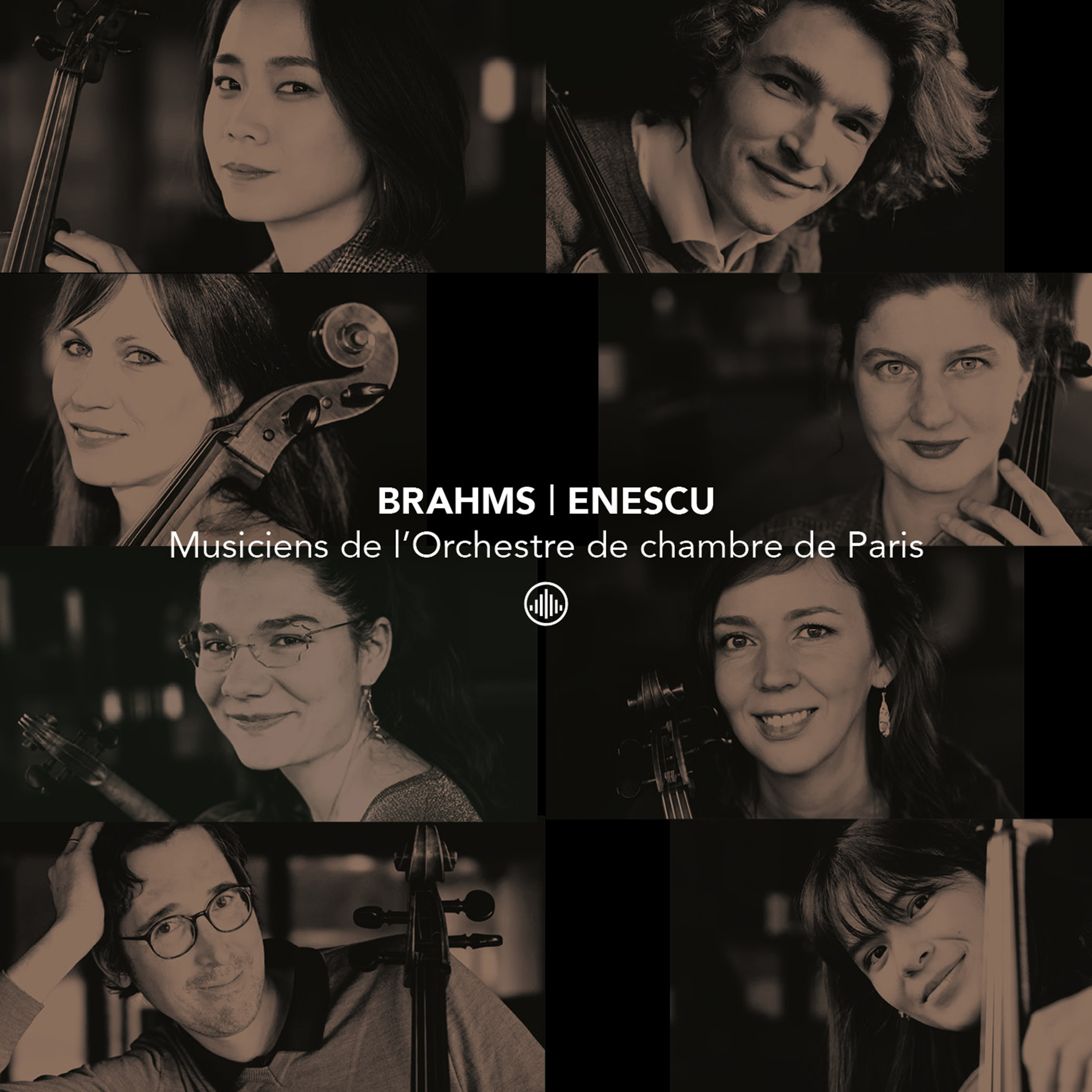
BRAHMS | ENESCU
Musiciens de l’Orchestre de chambre de Paris
Challenge Classics
·
2026

Klarinettenquintett
Jelmer de Moed, Animato String Quartet
Challenge Classics
·
2026
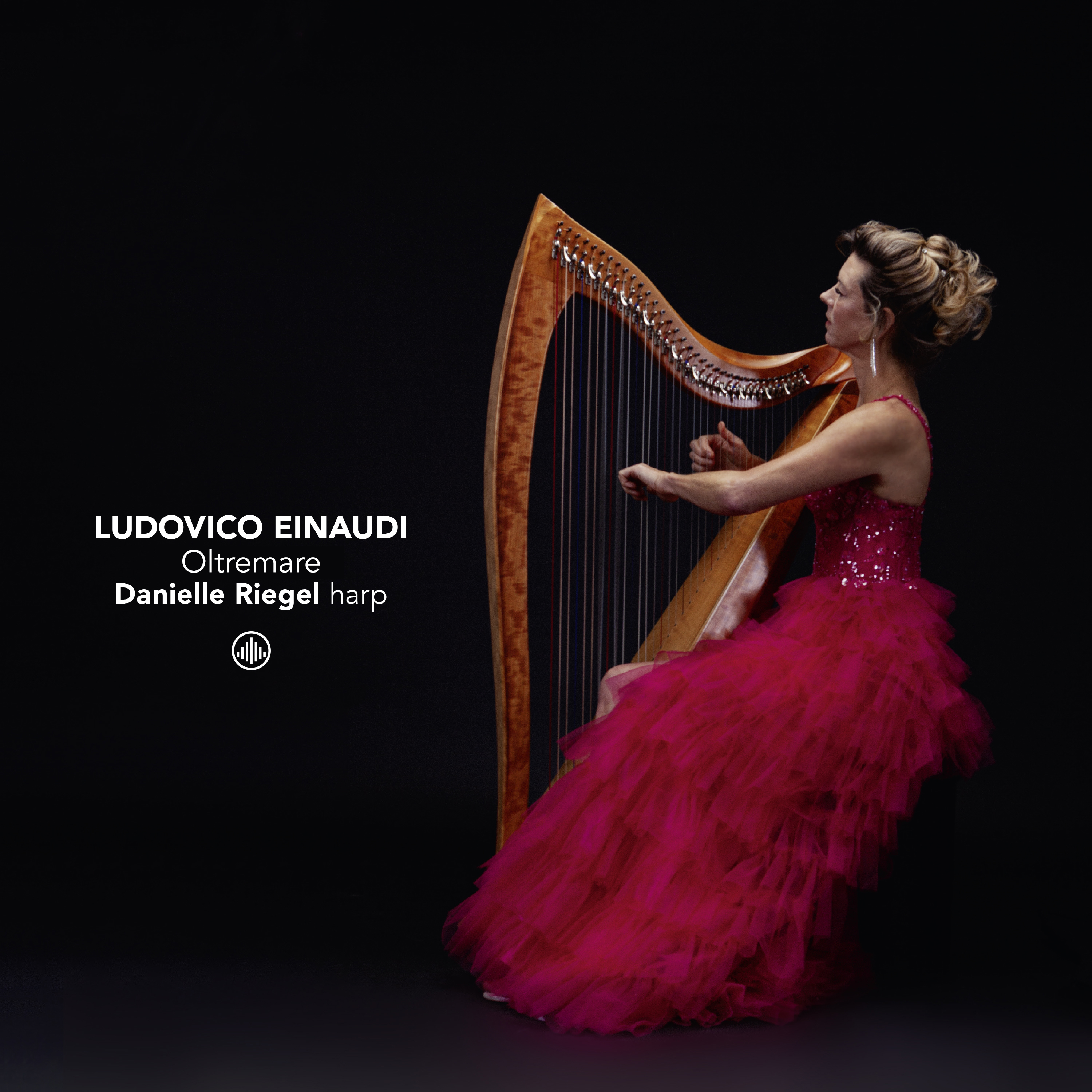
Oltremare
Danielle Riegel
Challenge Classics
·
2026