

Dance!
Huijnen & Hopman
- Label
- Challenge Classics
- Catalogusnummer
- CC 72683
- EAN / barcode
- 0608917268324
- Verschijningsdatum
- 8 oktober 2015
When Béla Bartók wanted to pursue his own musical direction after the conservatory, he found more and more inspiration in Hungarian folk music. Together with his friend Kodály he traveled across the Hungarian landscape, which included parts of what is now Romania, recording and collecting folk music. Publisher Simrock played a huge role in the creation of Slavic Dances by Antonín Dvořák: Simrock requested Dvořák to write “two series of Bohemian and Slavic Dances”, inspired by Brahms’ Hungarian Dances. Just like Bartók, Kodály imprinted his work with Hungarian folk music. The inspiration for his Three Hungarian Dances was found early in Kodály’s youth, from gipsy concerts in his birth place Galantá. They are – very unjustly – performed seldom Abodah was written by the Jewish-Swiss-American composer Ernst Bloch in 1929, during a by Jewish music inspired period, for the then 12-year-old violinist Yehudi Menuhin. The Hungarian Dances by Johannes Brahms belong to his most famous works and were composed between 1858 and 1869. The themes used by Brahms probably originated from melodies he had heard years before, through the Hungarian violinist Eduard Reményi, whom he had accompanied on piano while traveling through Hungary Piazzolla was a true Argentinian, with tango running through his veins. In his 4-part piece Histoire du Tango, originally written for flute and guitar and composed in 1986, Piazzolla painted the musical history of the tango.
Ook bij Challenge Classics
Nieuw

Klarinettenquintett
Jelmer de Moed, Animato String Quartet
Challenge Classics
·
2026
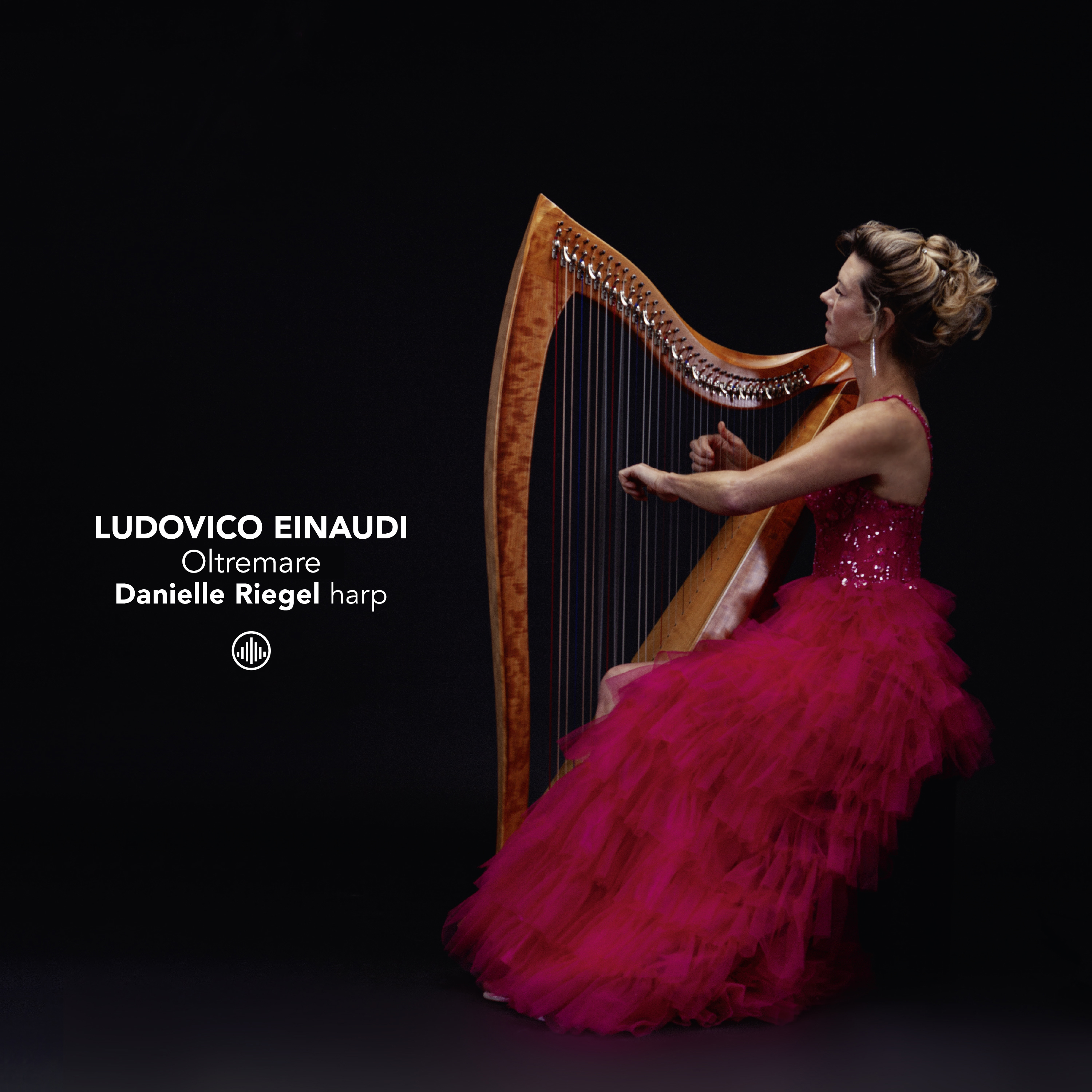
Oltremare
Danielle Riegel
Challenge Classics
·
2026
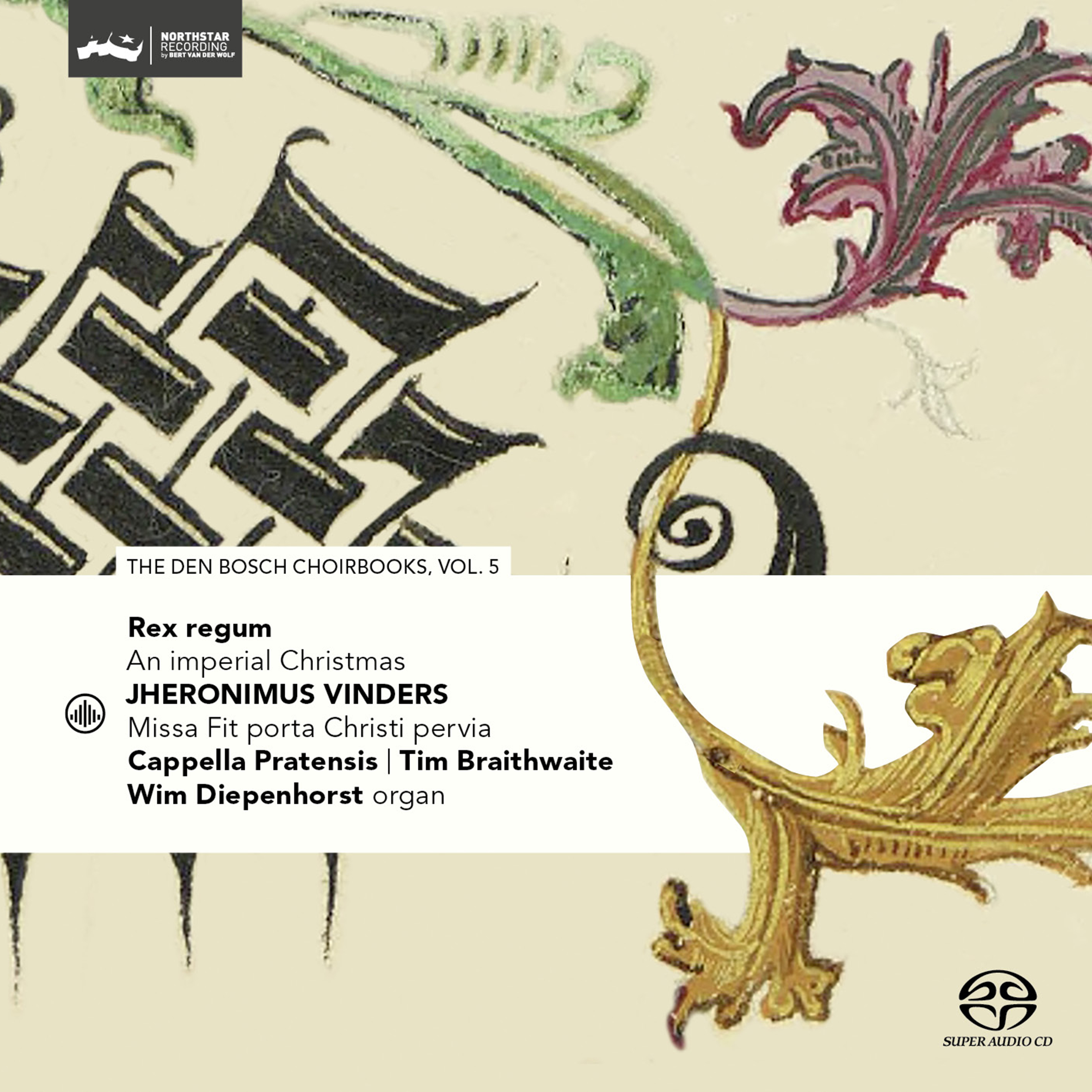
Rex regum - An imperial Christmas - The Den Bosch Choirbooks, Vol. 5 (SACD)
Cappella Pratensis, Tim Braithwaite, Wim Diepenhorst
Challenge Classics
·
2026
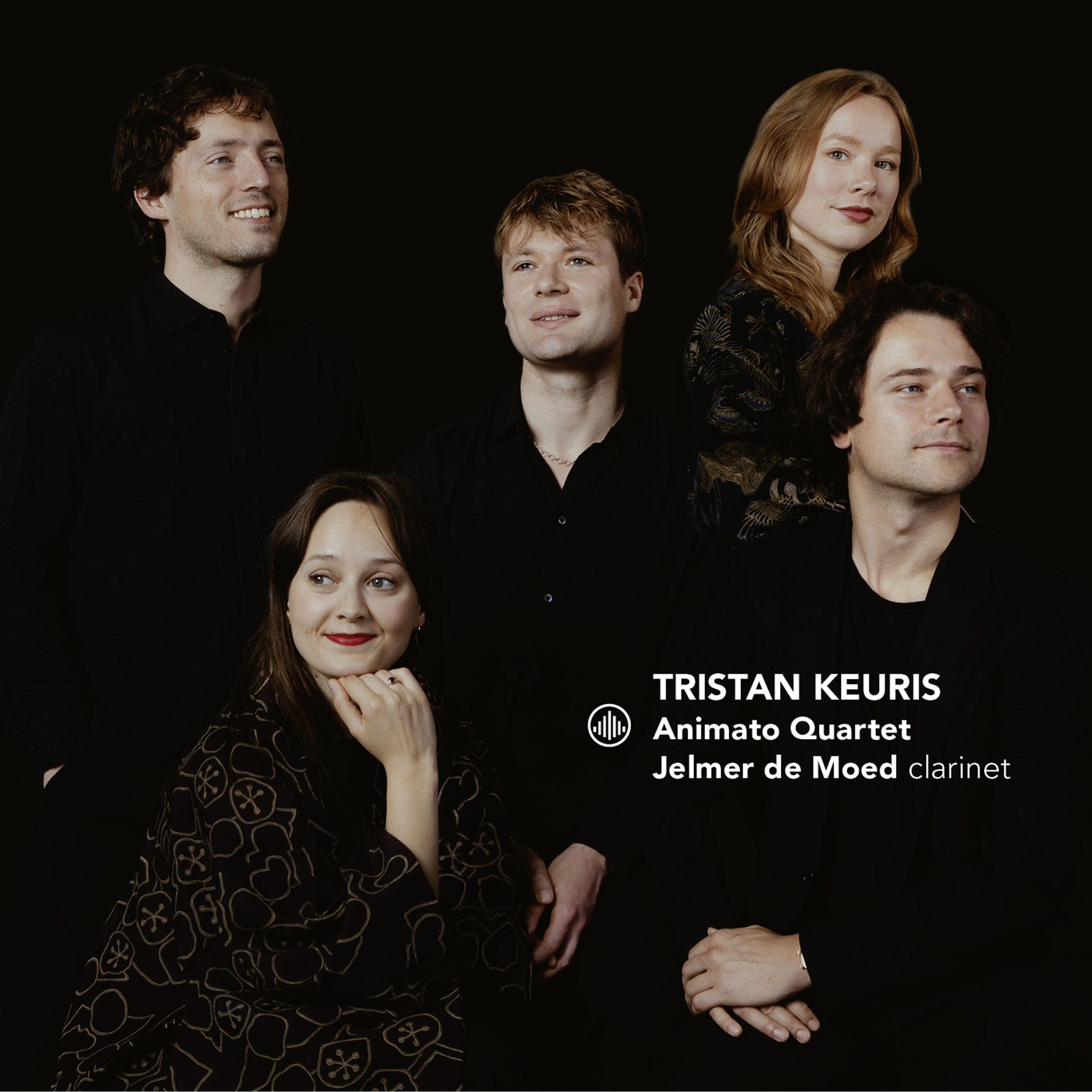
Tristan Keuris
Animato Quartet, Jelmer de Moed
Challenge Classics
·
2026